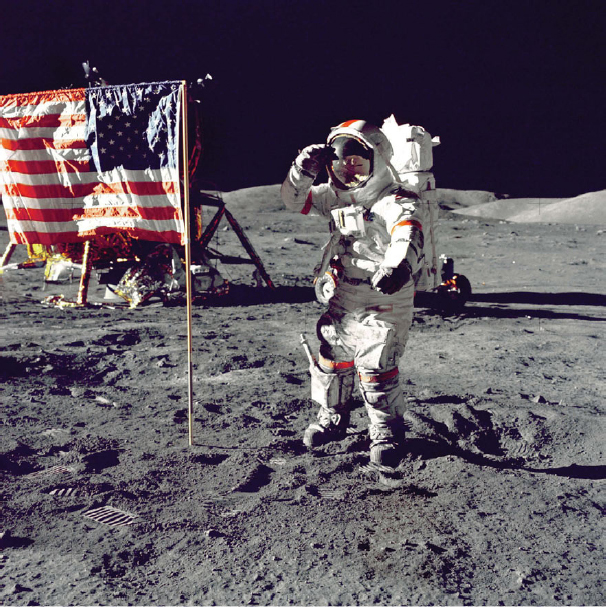
The Black Man in the Cosmos


Astronomy on Tap—July 23, 2020
A New Era?


NASA’s Moon to Mars Program
- Back to the moon by 2024
- sustainable exploration by 2030
- public-private partnership
- testbed for Mars mission

Space could be a $1 trillion industry by 2040!
Inspiring The Next Generation
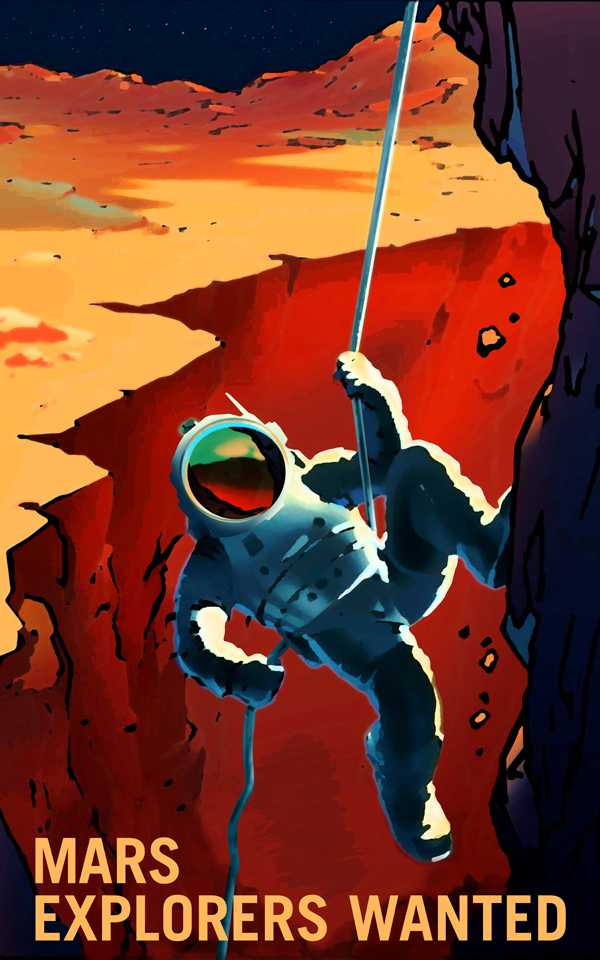
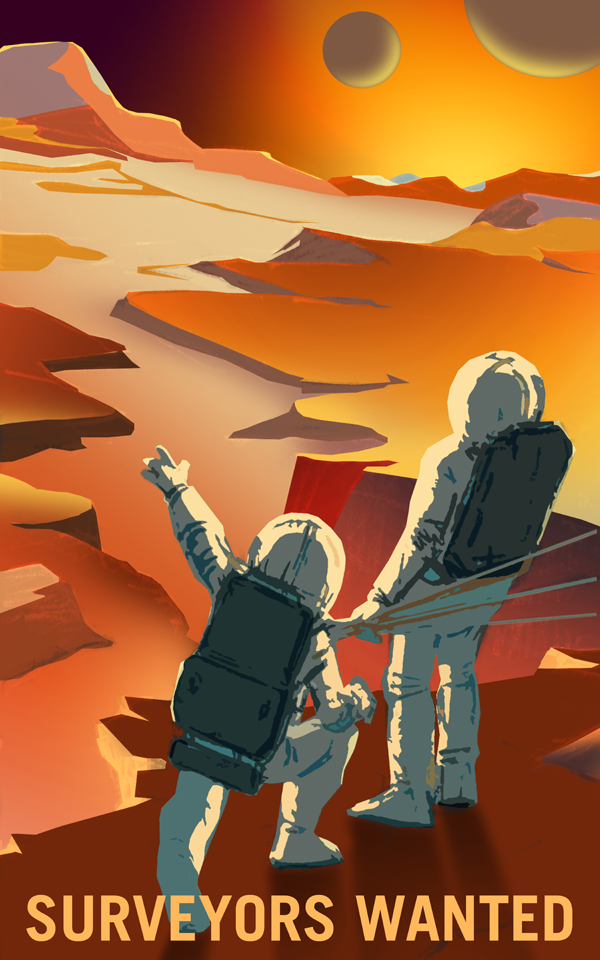


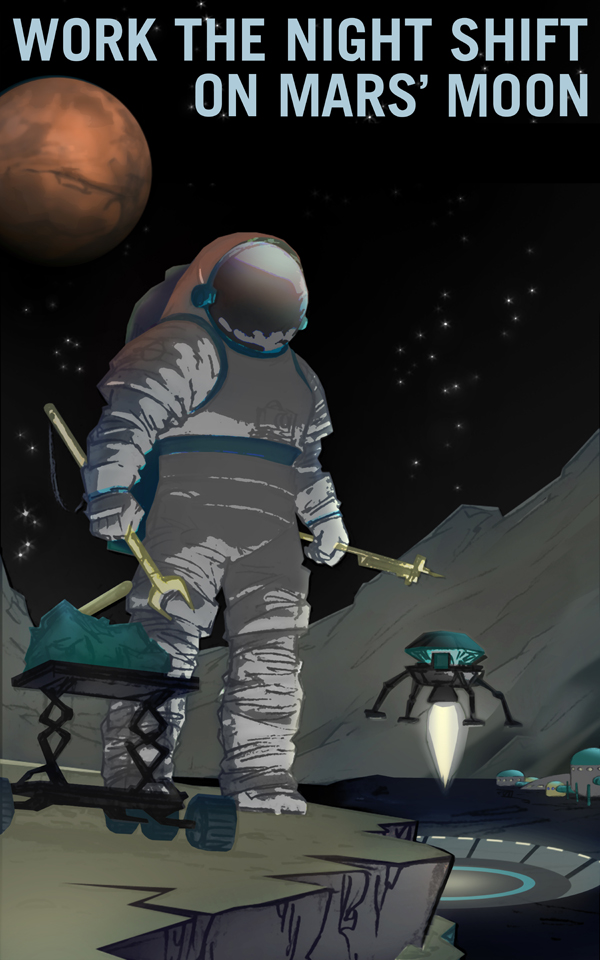
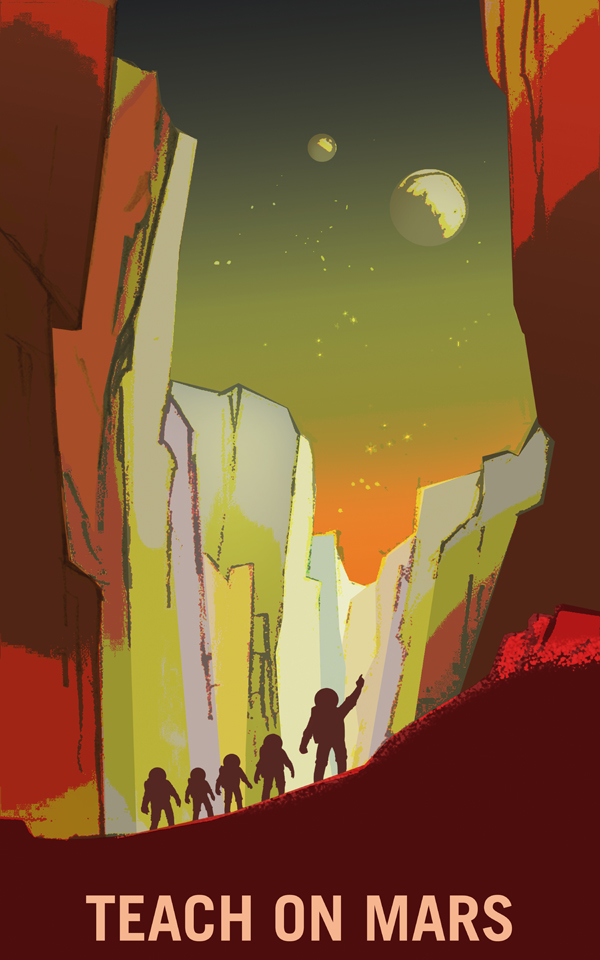
Credit: NASA’s Mars Exploration Program
A New Colony?
What would we do on Mars?

Research? Mining? Habitation?
Decolonizing Mars
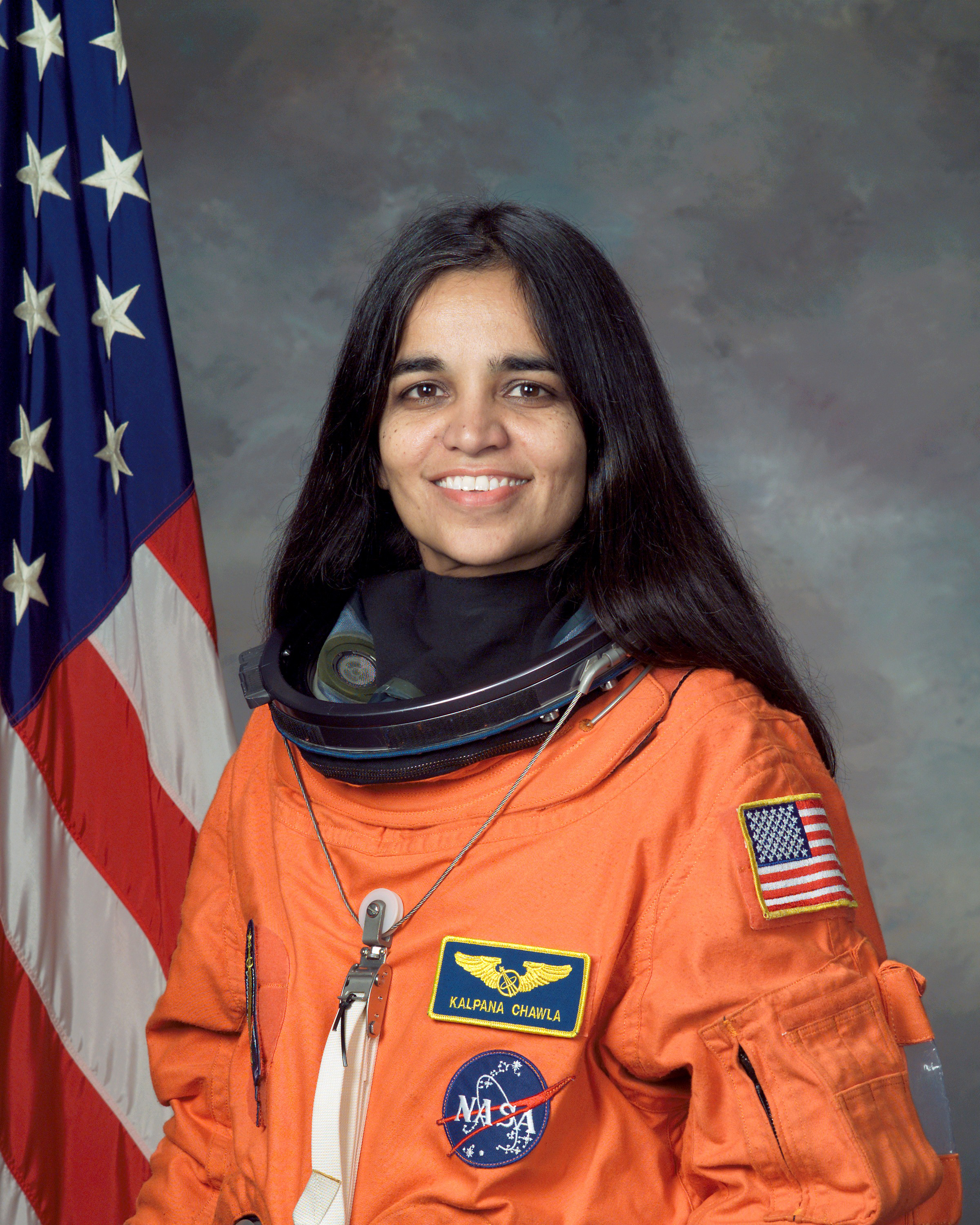
There’s a matter of inclusion—space exploration is something that we all take part in.
Kalpana Chawla was a hero in India, and like so many kids growing up in the 90s, I wanted to be like her.
— Gautham Narayan (@gsnarayan) February 1, 2019
Immigrant, engineer, astronaut.
I wrote about her in my college entrance essay. (1/n)
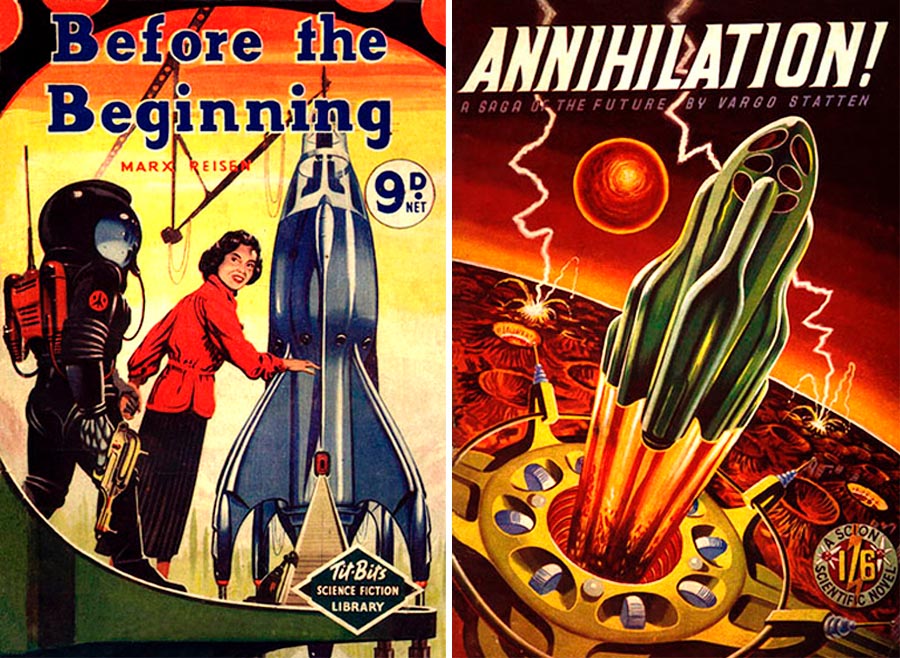
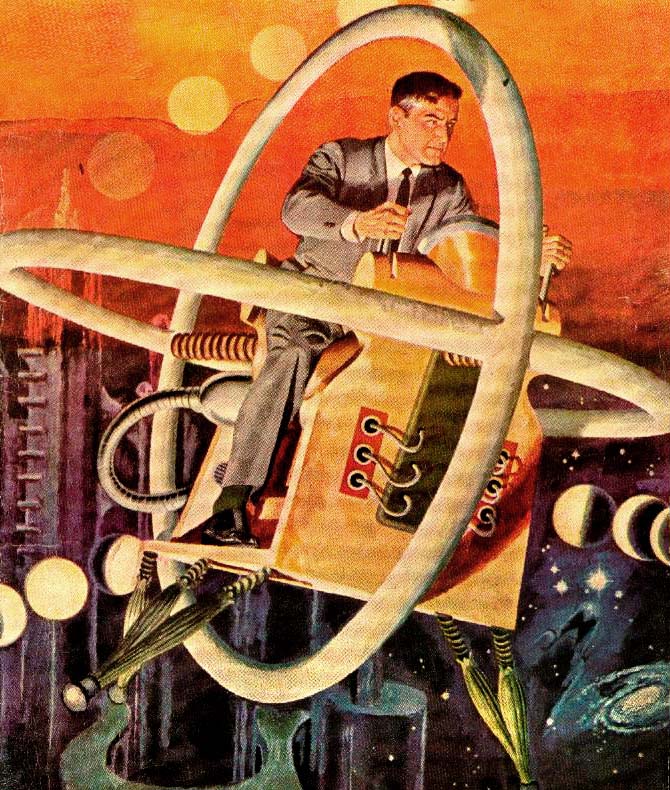
Space-Age Visions of the Future


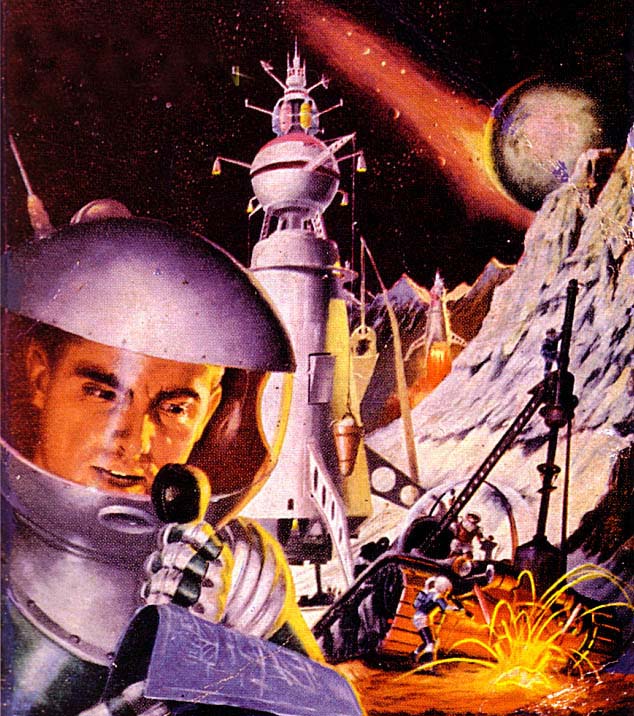


The NASA Art Program


An Opportunity Missed
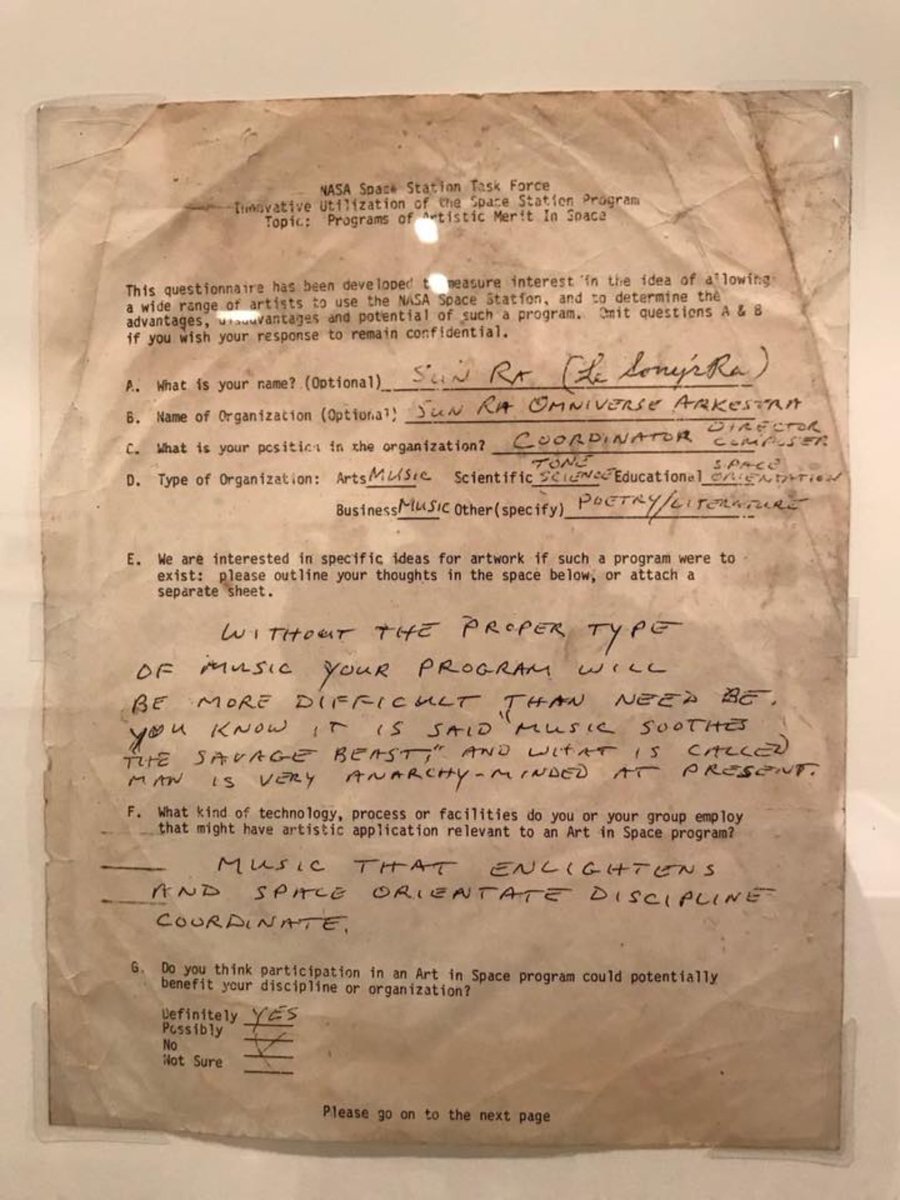
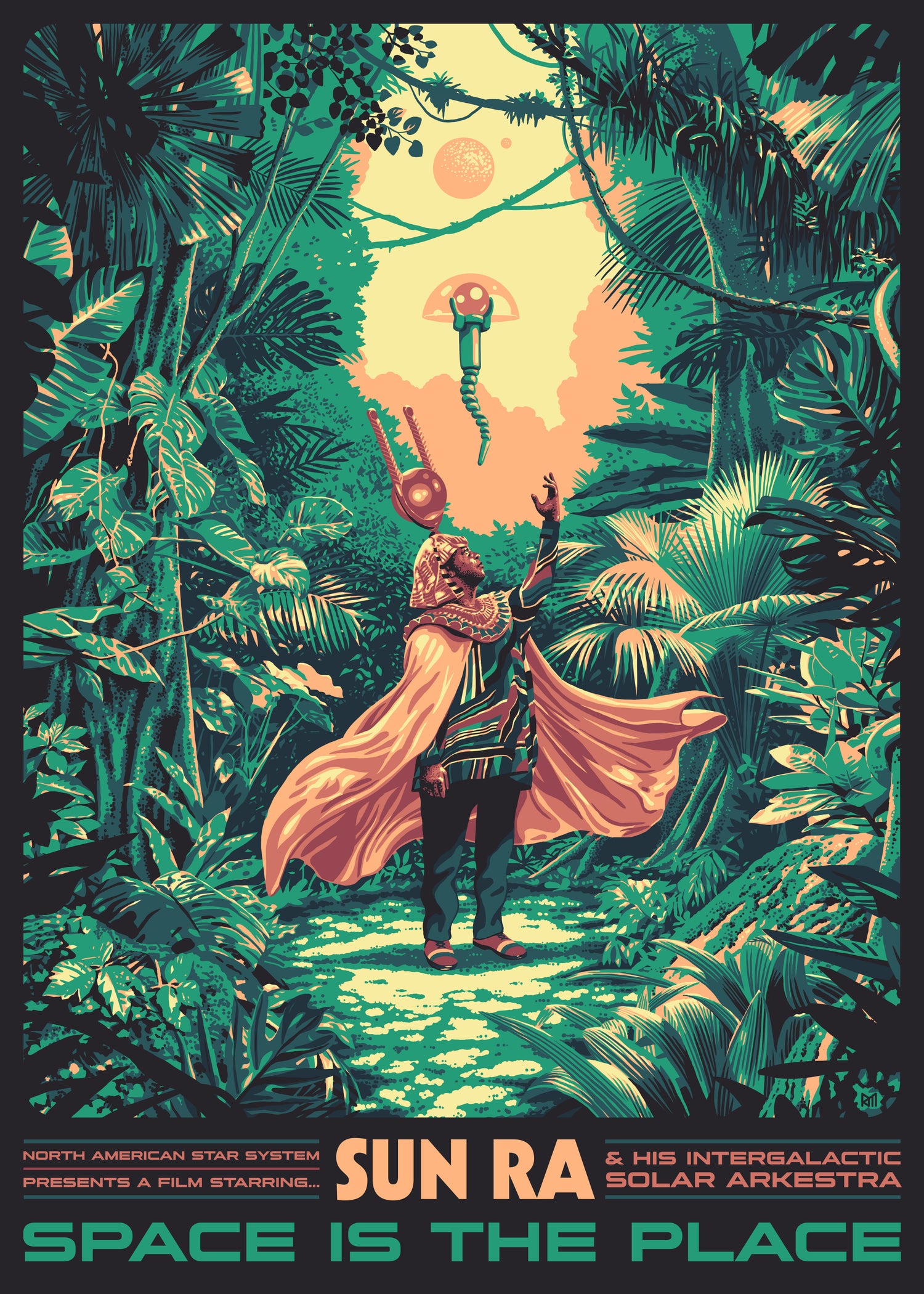
This is my view on the race for space. We'll never get it until we Americans, collectively and individually get us a new sound. A new sound of harmony, brotherly love, common respect and consideration for the dignity and freedom of men and woman.
— Sun Ra Arkestra (@SunRaUniverse) July 22, 2020
(Sun Ra)
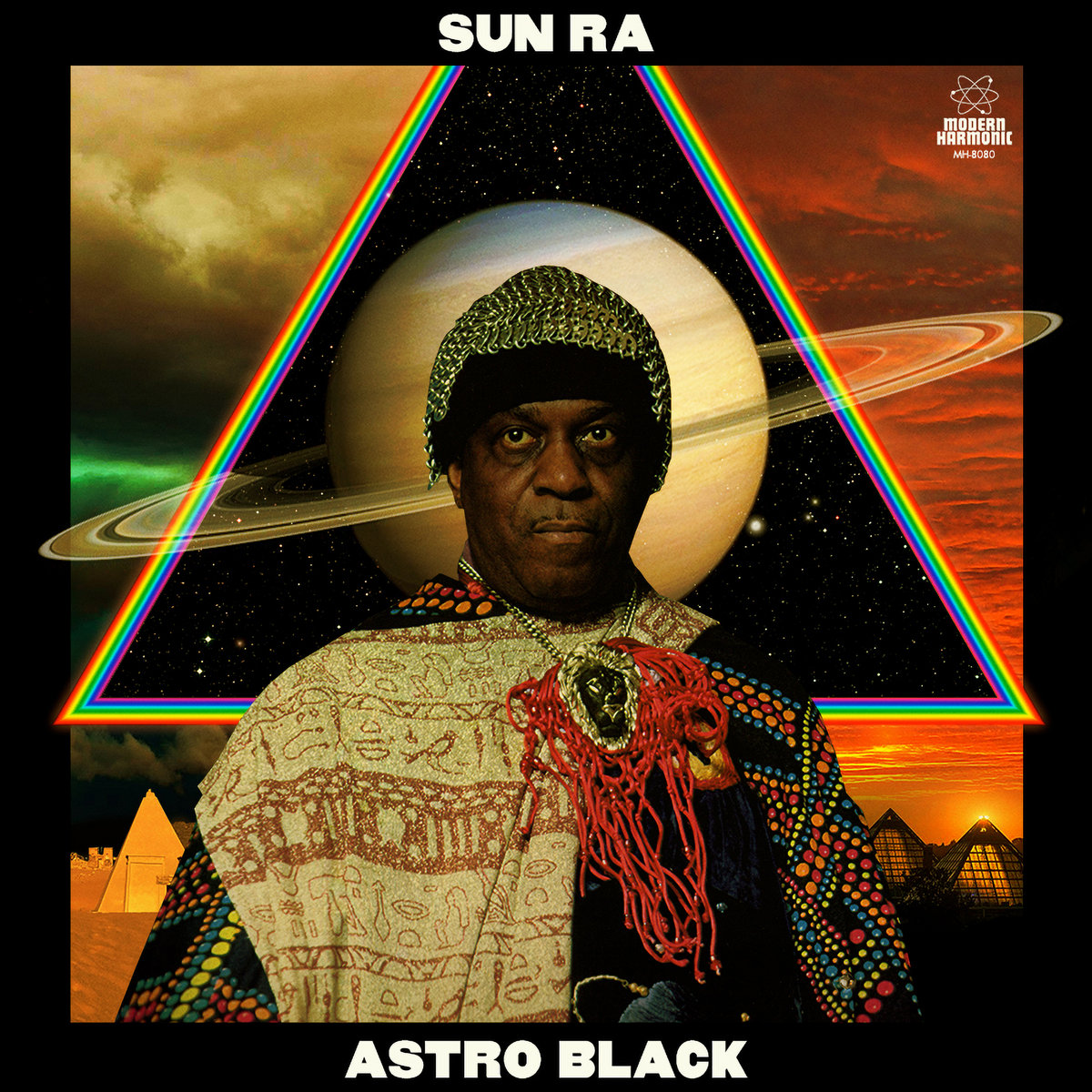
Sun Ra (1914-1993)
Trip to Saturn (1936?)
I landed on a planet that I identified as Saturn…
They teleported me and I was down on [a] stage with them.
They had one little antenna on each ear. A little antenna over each eye. They talked to me. I would speak [through music], and the world would listen. That’s what they told me.


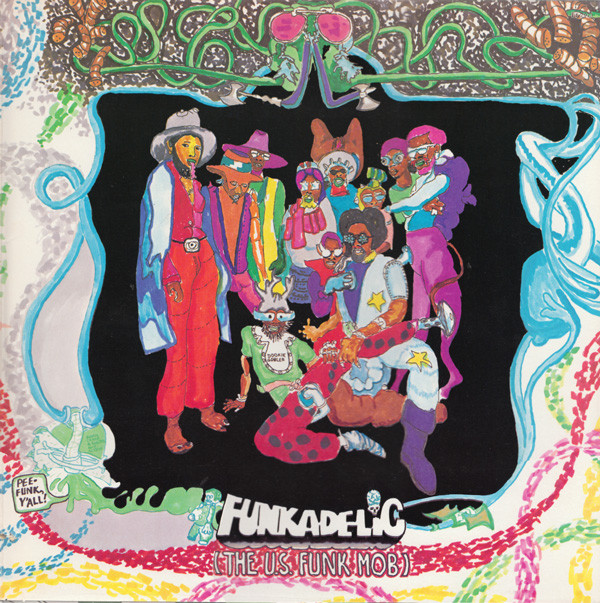
Parliament-Funkadelic
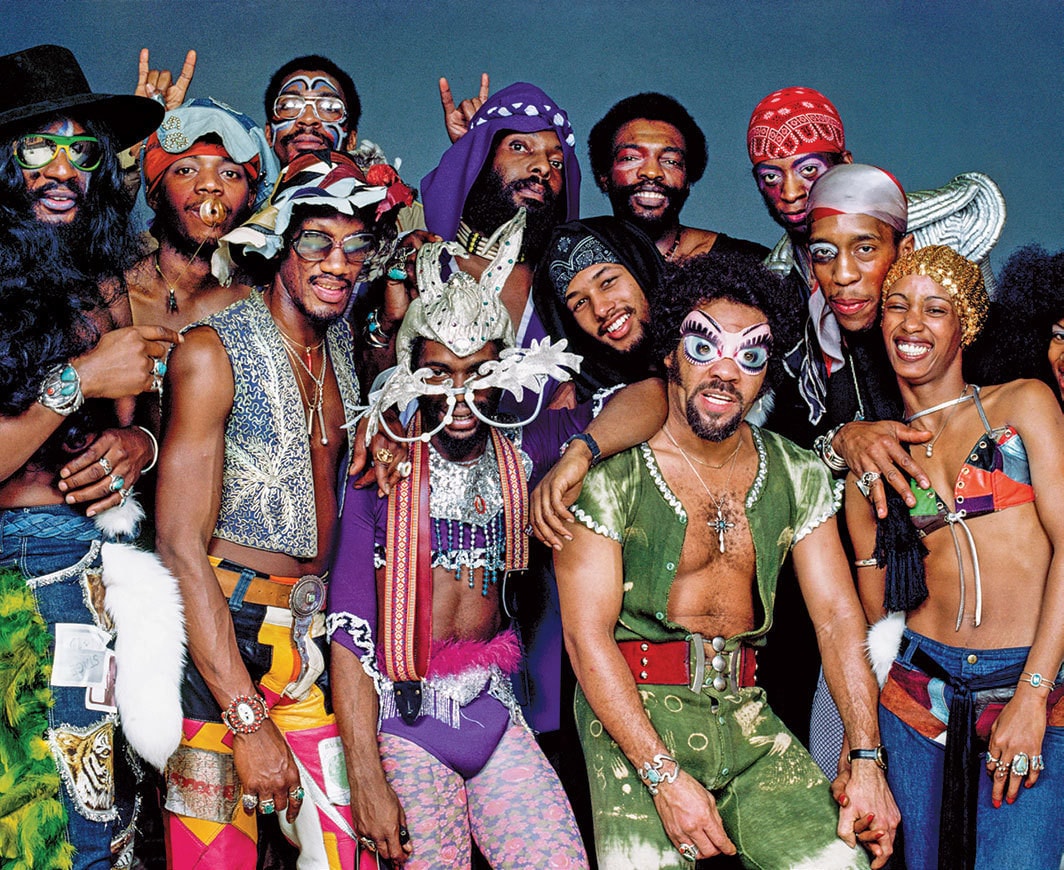
The Mothership


Space Agencies Follow Suit





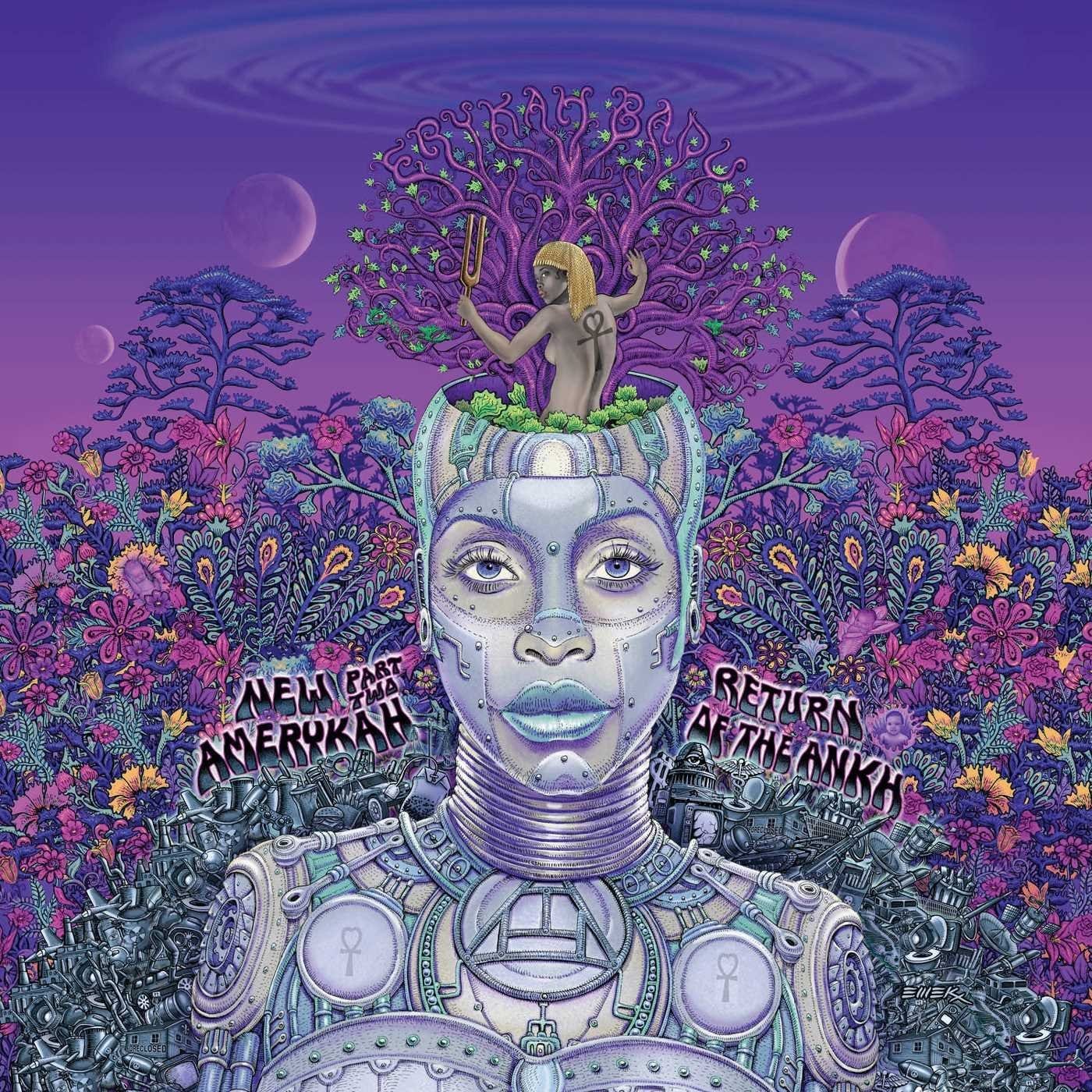


Astro Black






The Pale Blue Dot
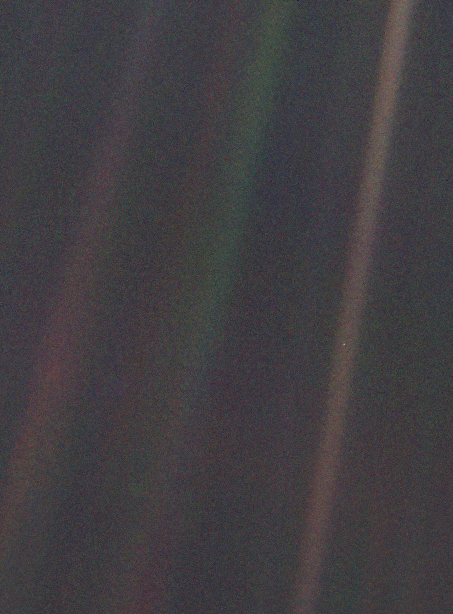
Carl Sagan’s The Pale Blue Dot. Library of Congress.
-3:20