Astronomy at the Bottom
of the World
Part II: Observing & Living at the South Pole
Astronomy on Tap
April 16, 2026
Why can’t we do astronomy here?
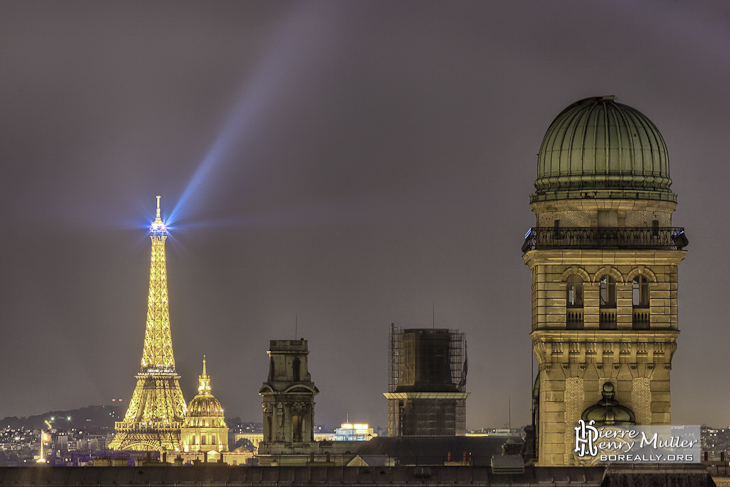
- Lights
- Clouds
- Humidity
Microwaves!
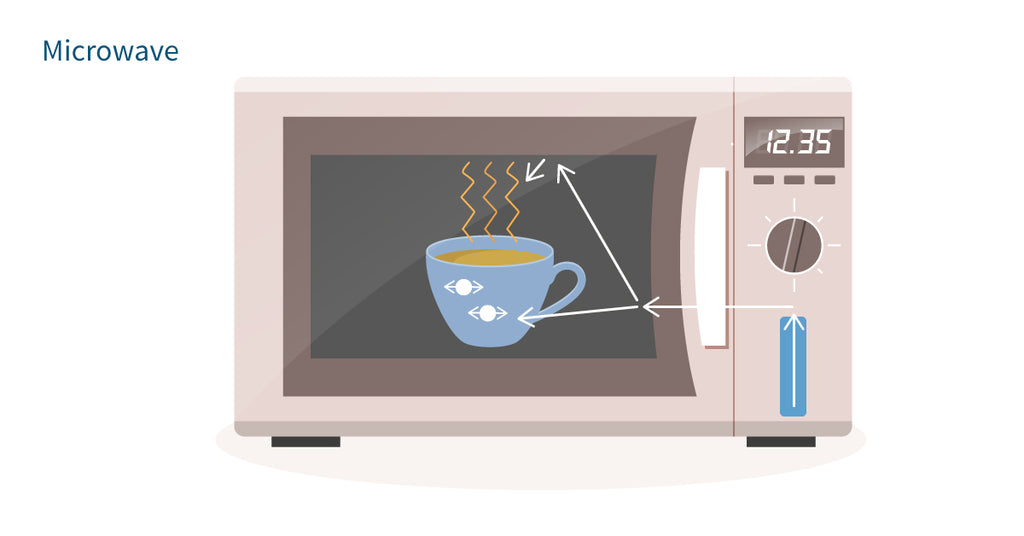
Illustration: Harney & Sons Master Tea Blends
So we go up the mountain:
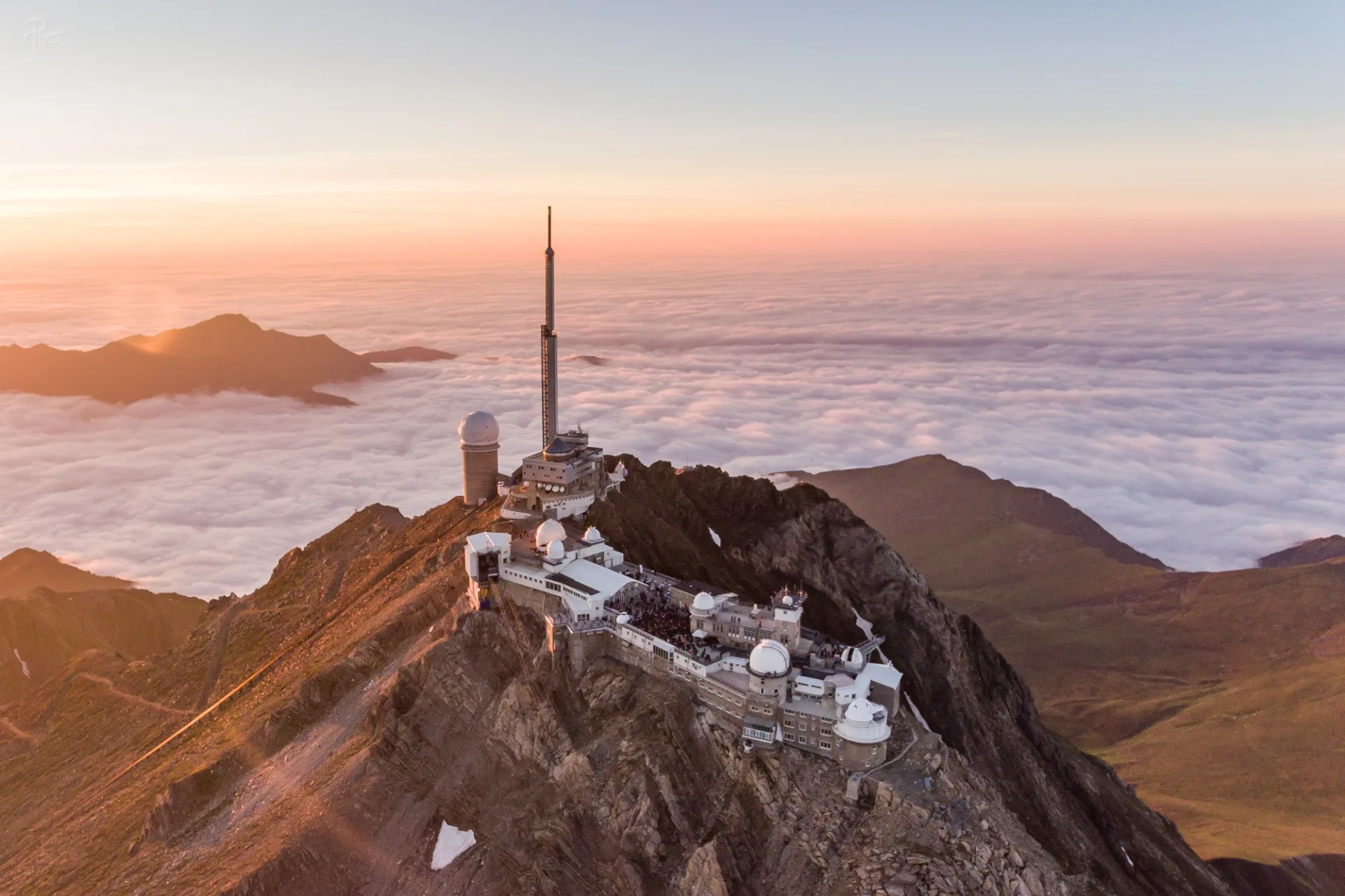
Pic du Midi de Bigorre (2877 m). Credit: Matthieu Pinau
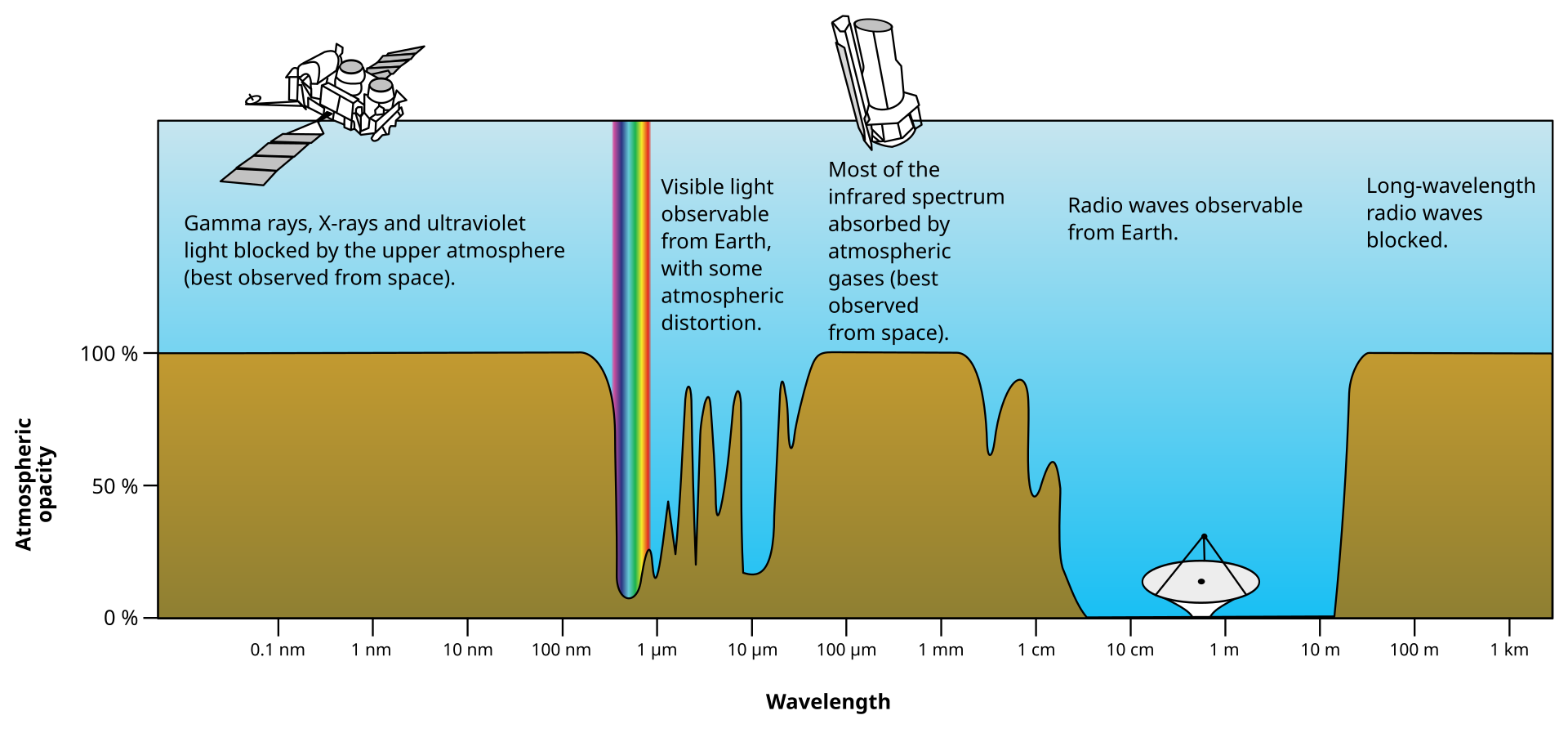
The sky isn’t transparent
- Even on a perfectly clear day, the air is full of water vapor
- Water vapor absorbs the cosmic
microbrewmicrowave background (CMB)
— and, worse, glows back
CMB
Credit: NASA
via Wikimedia Commons
via Wikimedia Commons
Option 1: go to space
- No atmosphere, no weather — can observe everything
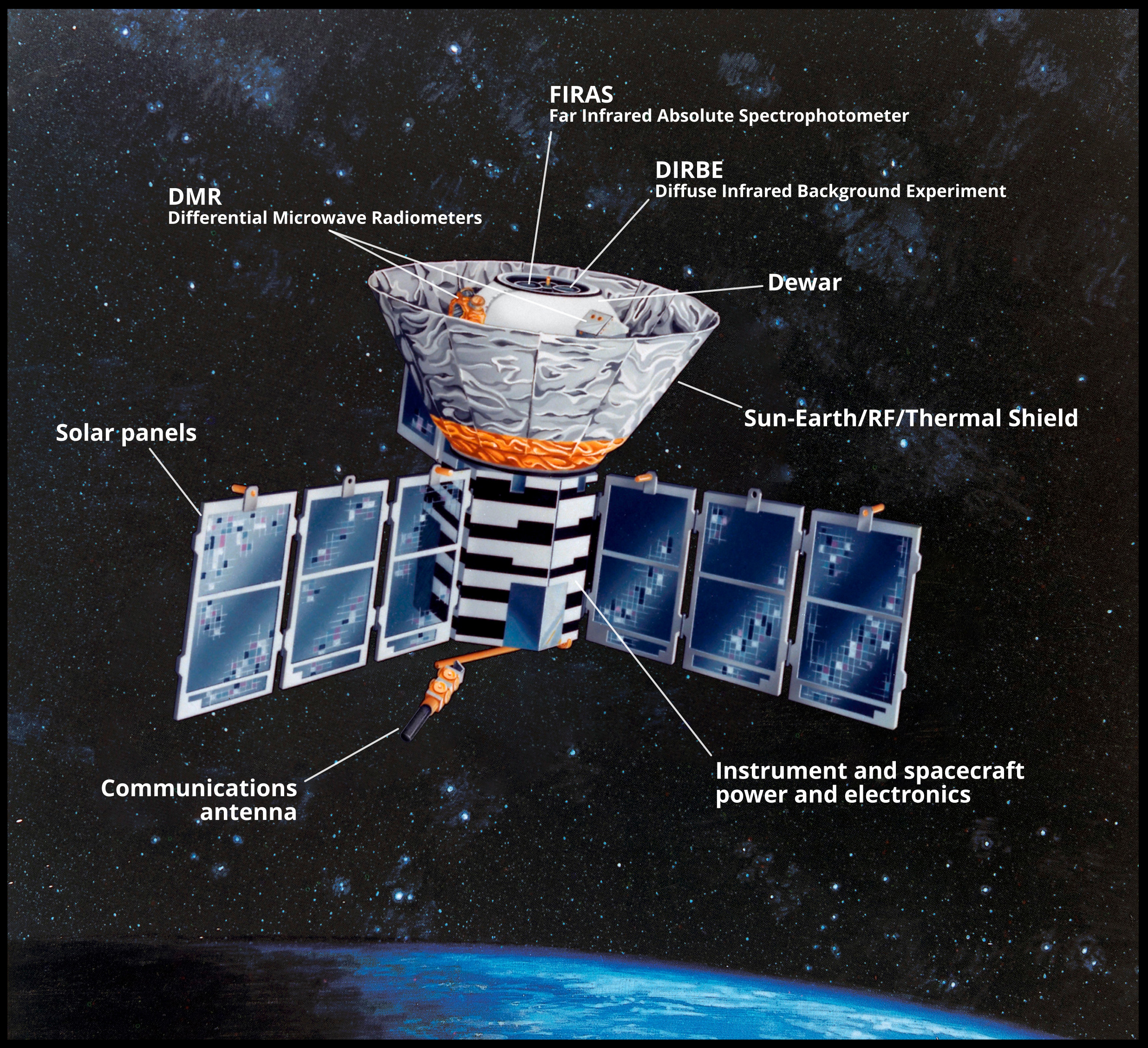
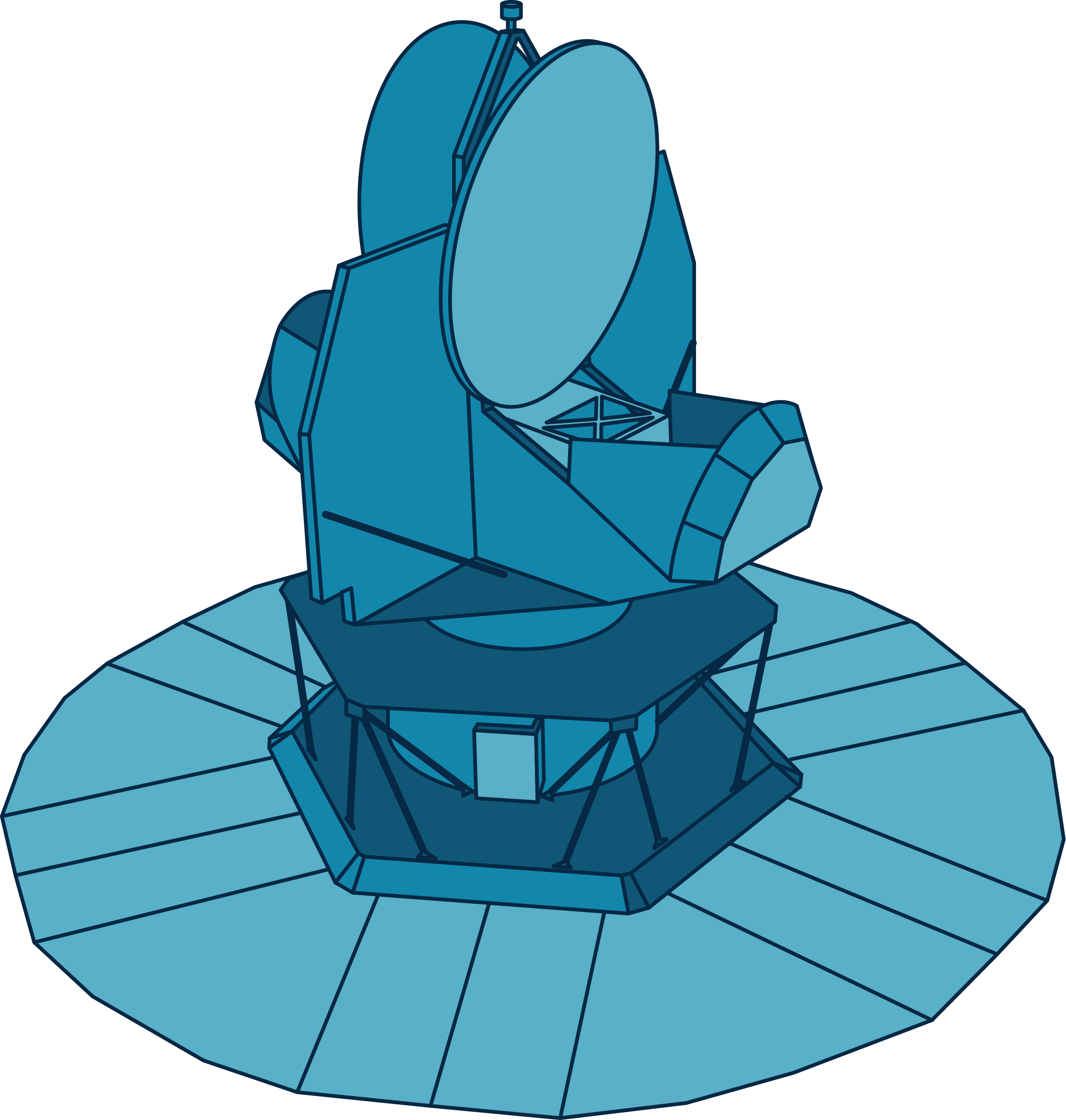
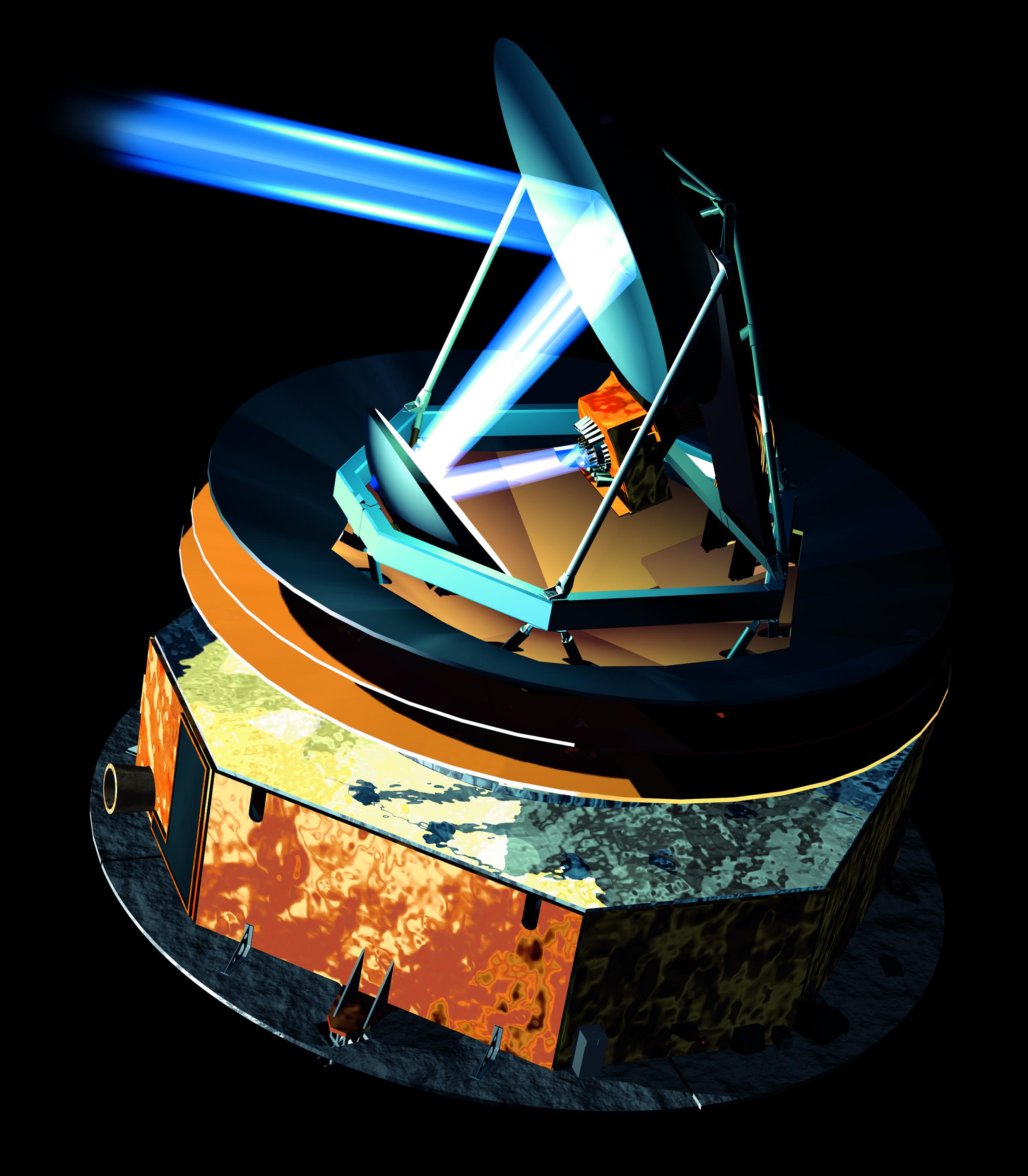
From detection to precision
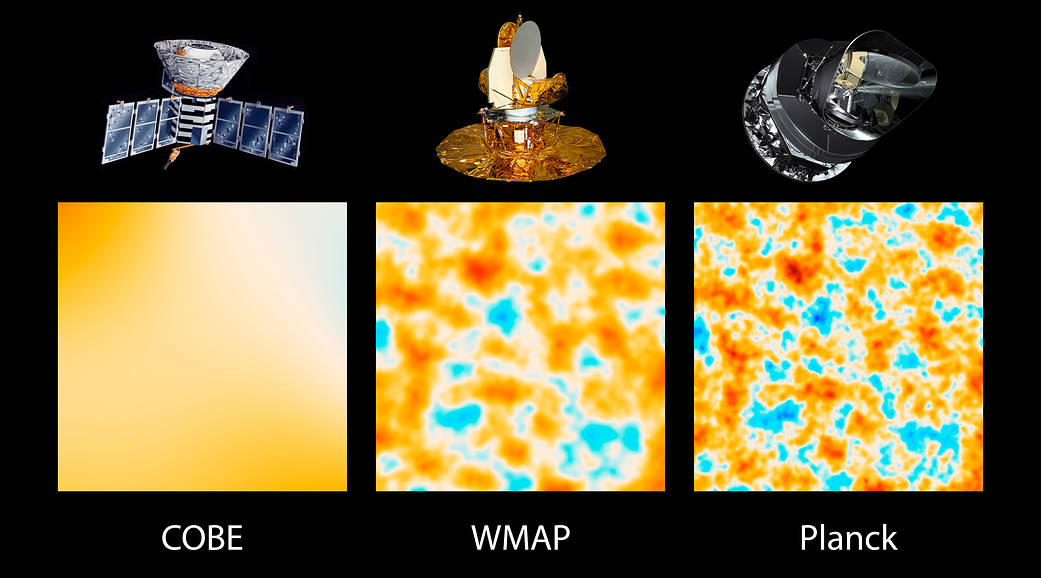
Bigger telescope → sharper map. But rockets are expensive: there’s a lighter way up.
Credit: NASA
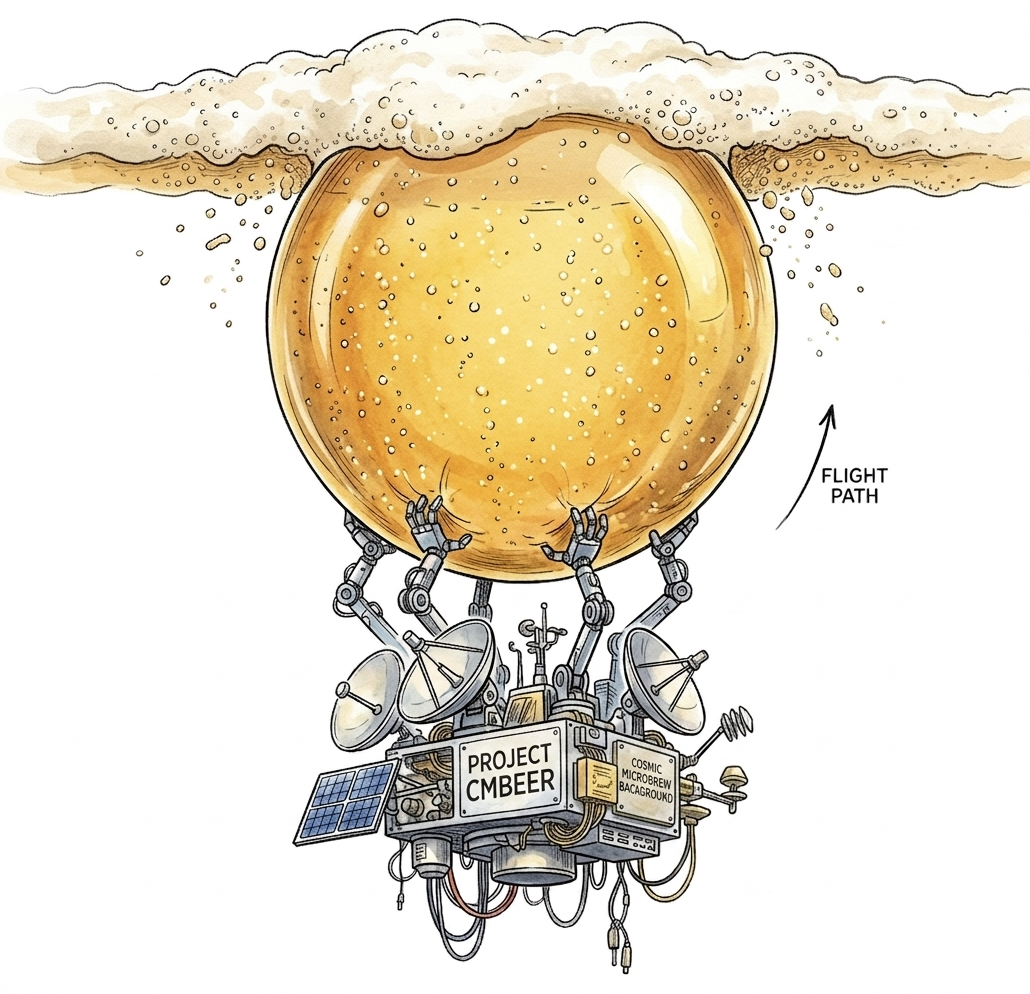
Option 2: fly a balloon
- Rise above ~99% of the atmosphere; almost as good as space
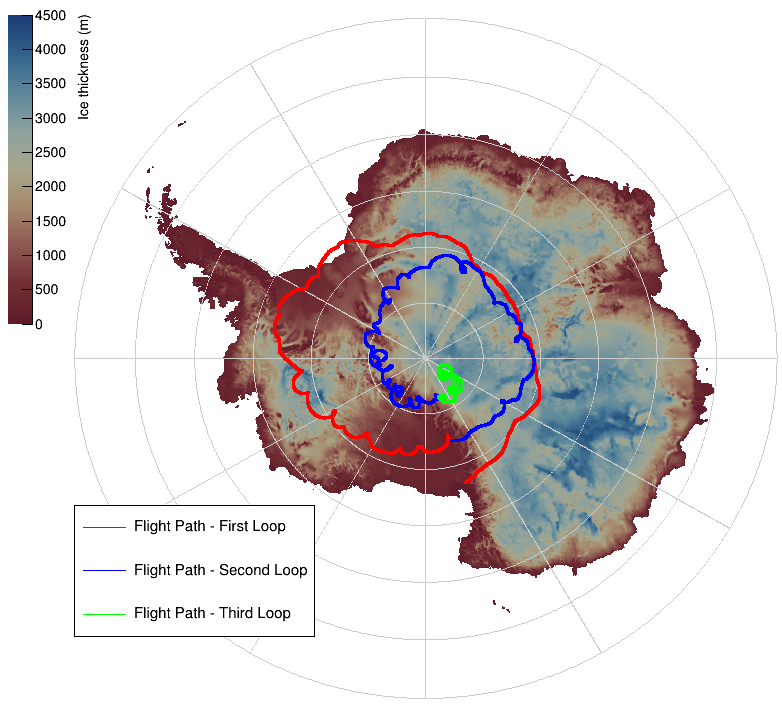
ANITA-IV flight path. Gorham et al. 2019
Cheap, but you can only fly for weeks and the balloon has to land somewhere.
Option 3: stay on the ground
- Ground-based telescopes can be enormous, run for years, be upgraded
Where on Earth is dry enough?
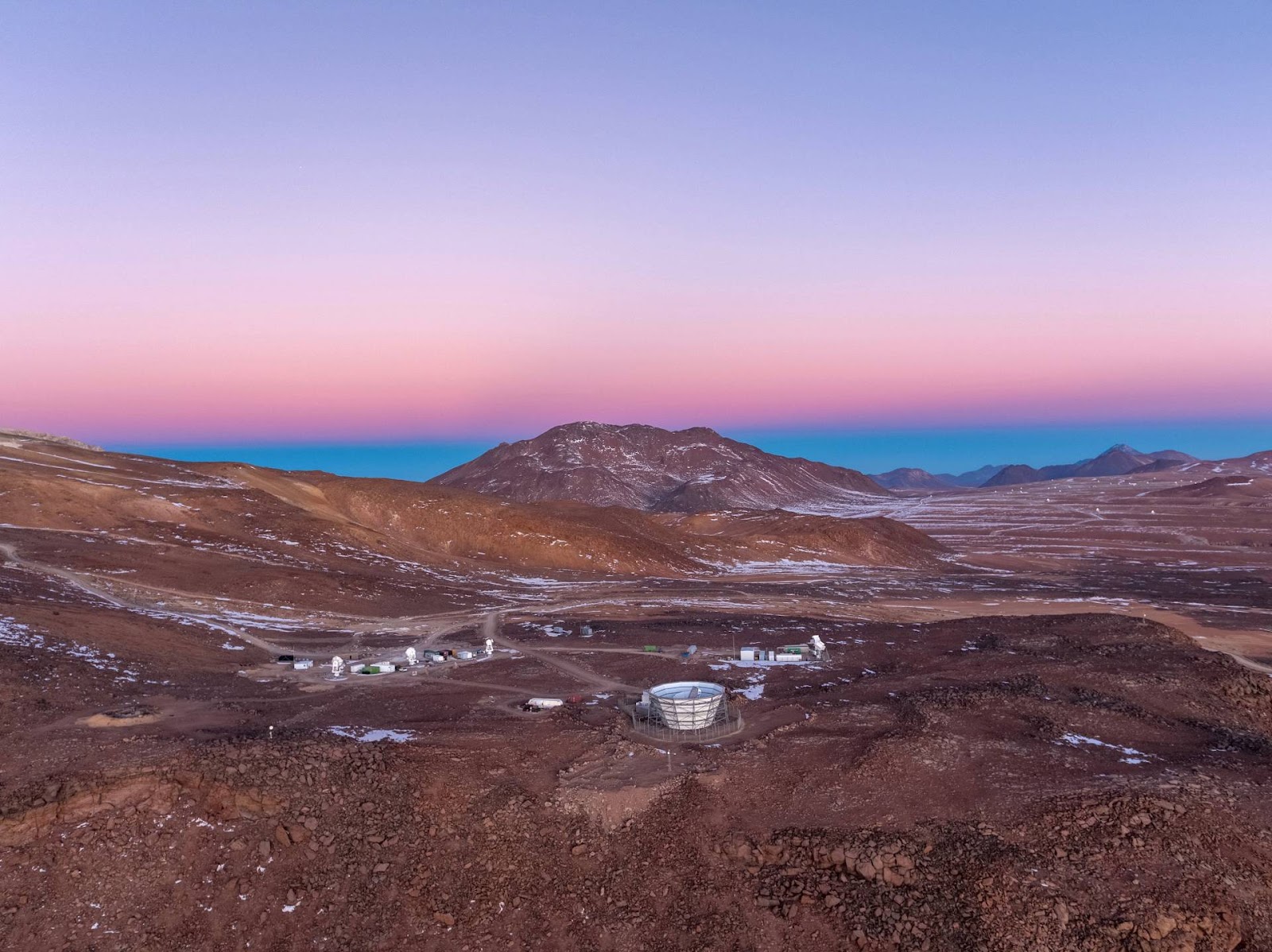
Atacama Desert, Chile
5000 m · −20 °C to +10 °C
< 20 mm precipitation / year
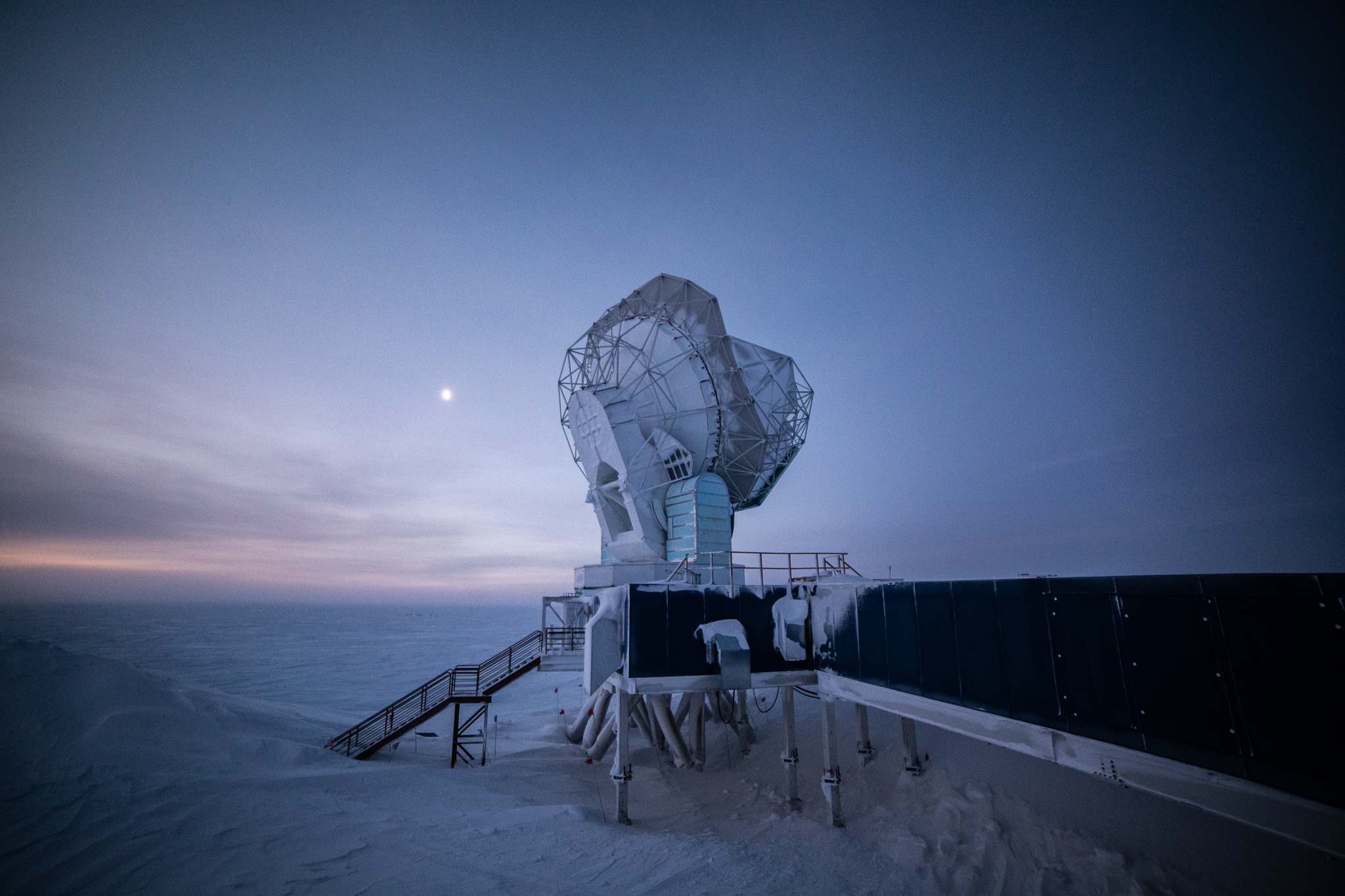
Antarctic Plateau
2835 m · −60 °C to −25 °C
< 3 mm precipitation / year
Getting to the bottom of the world
- The South Pole is only reachable by plane, October through February
- Christchurch
→ McMurdo
→ South Pole
About 40 people spend the winter there.
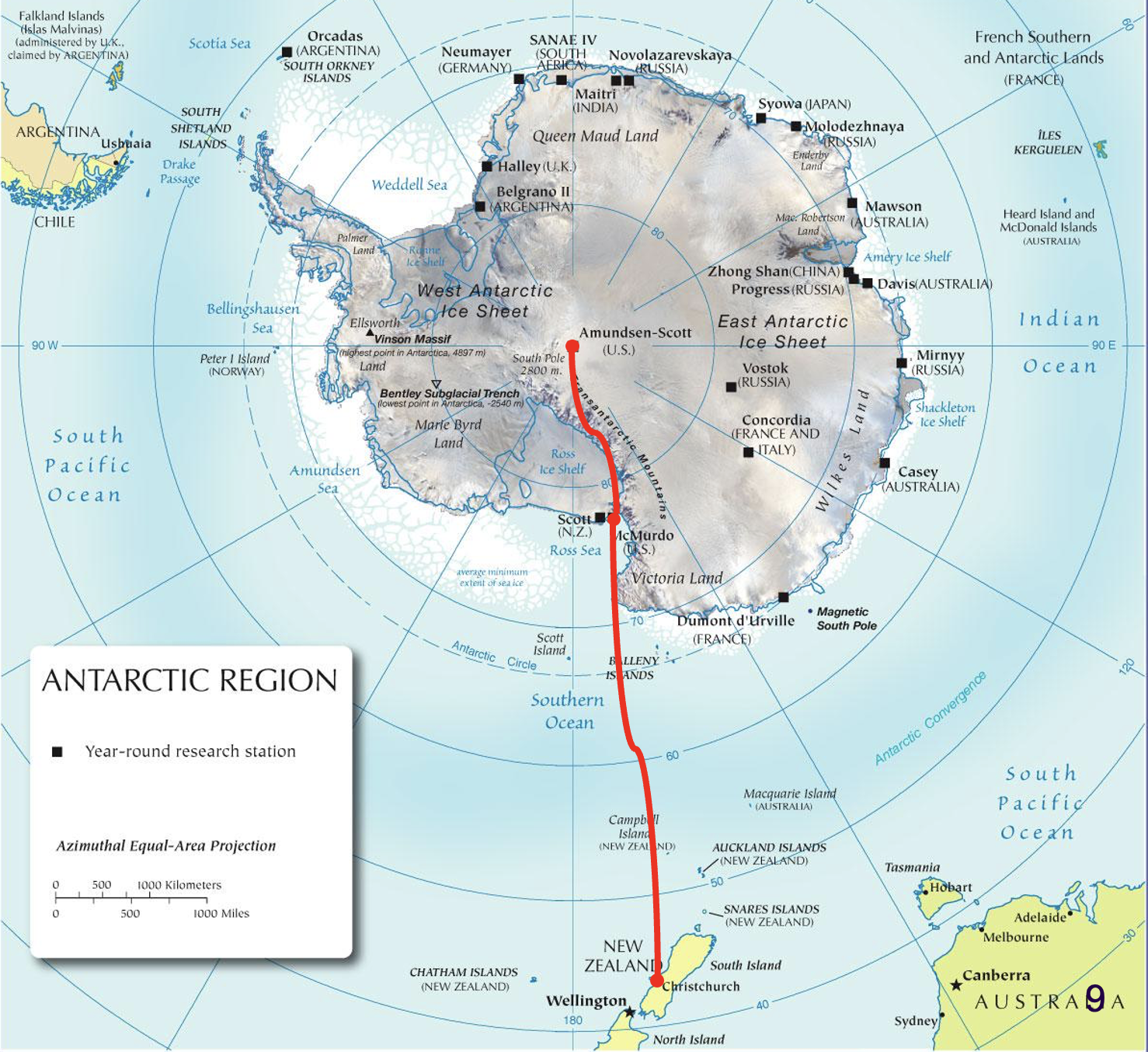
McMurdo: landing on sea ice
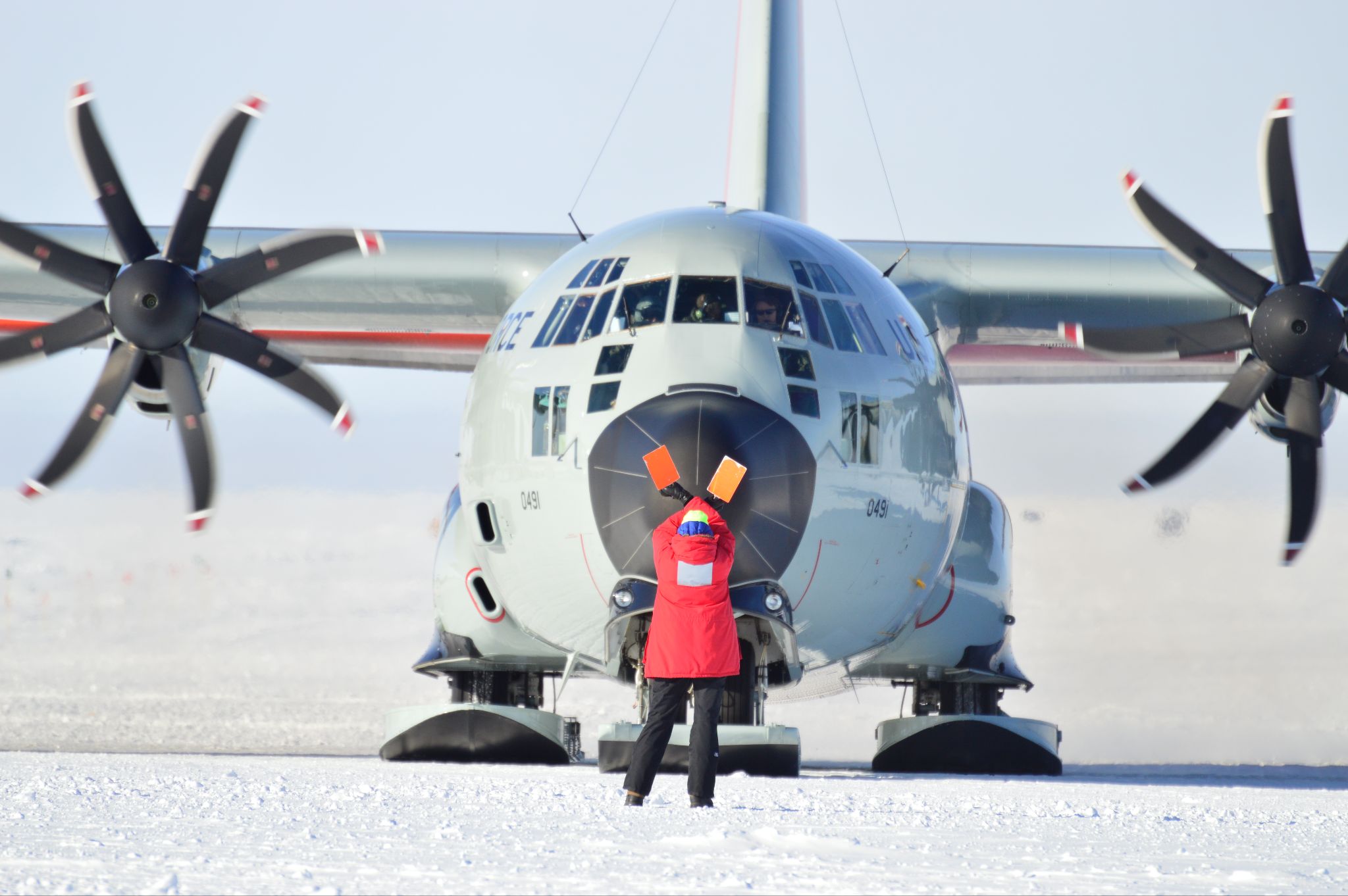
Photo: Alex Polak
Big planes.
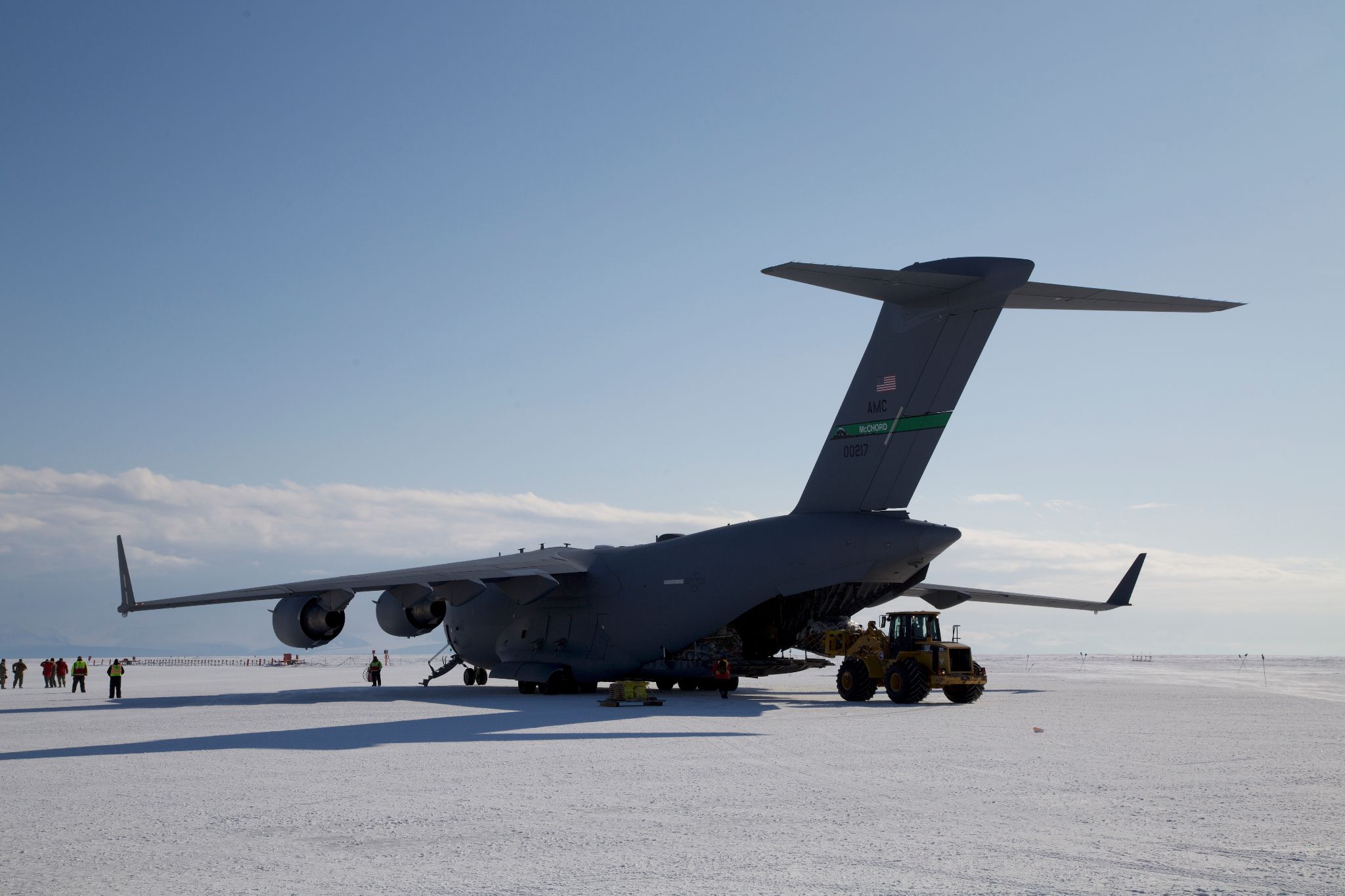
C-17 Globemaster III
Photo: Melanie Archipley
Photo: Melanie Archipley
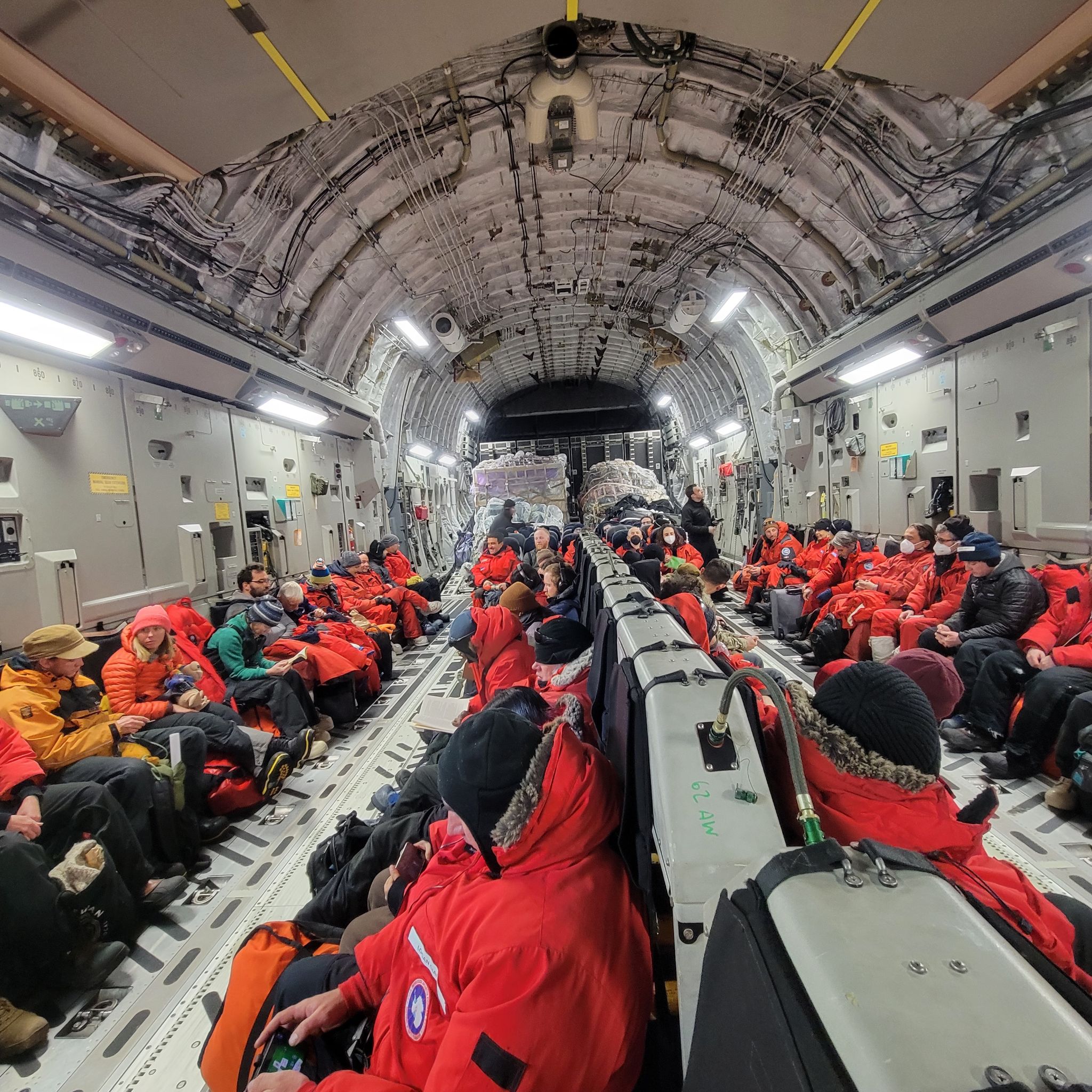
inside the C-17
Photo: Melanie Archipley
Photo: Melanie Archipley
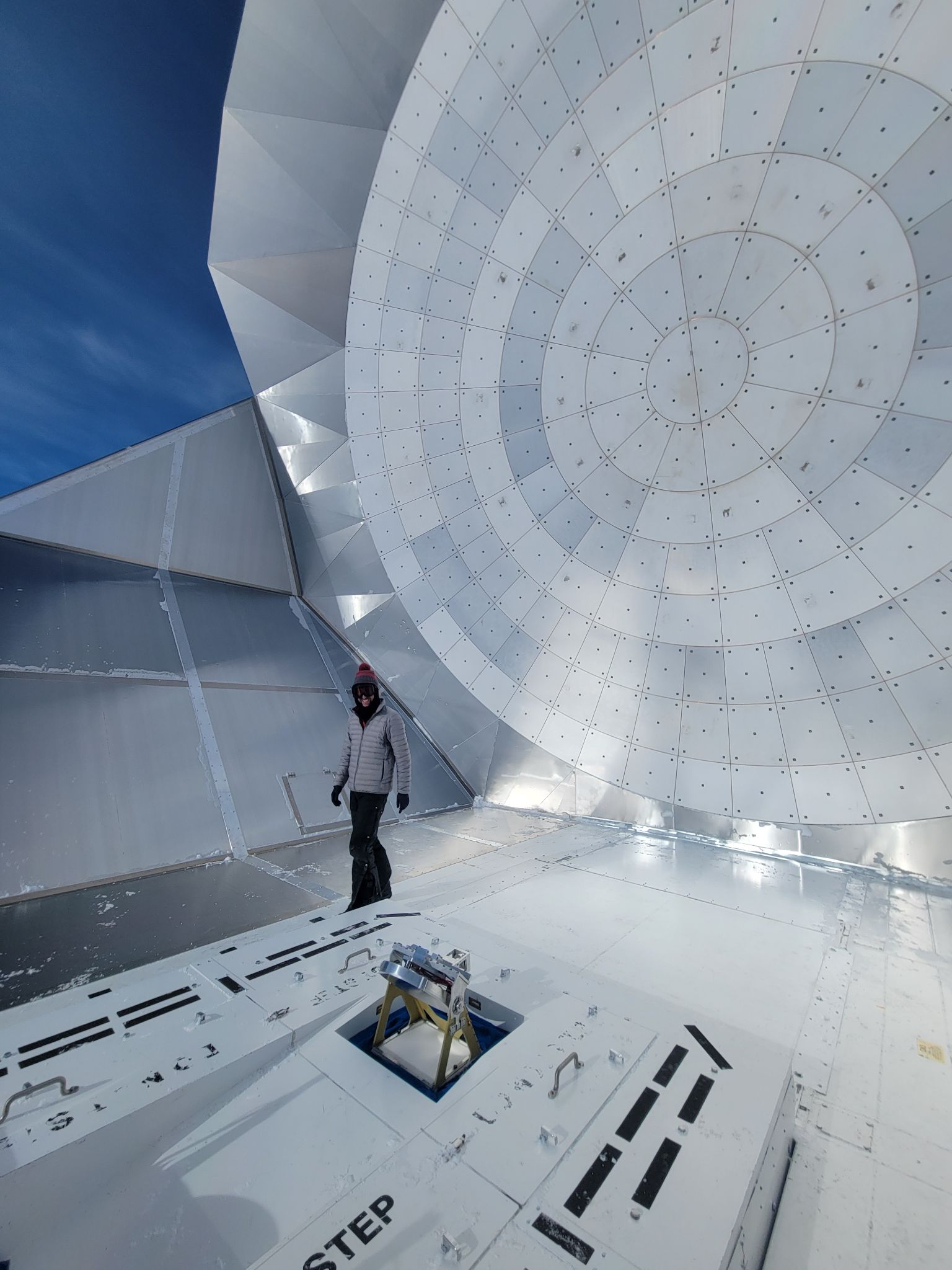
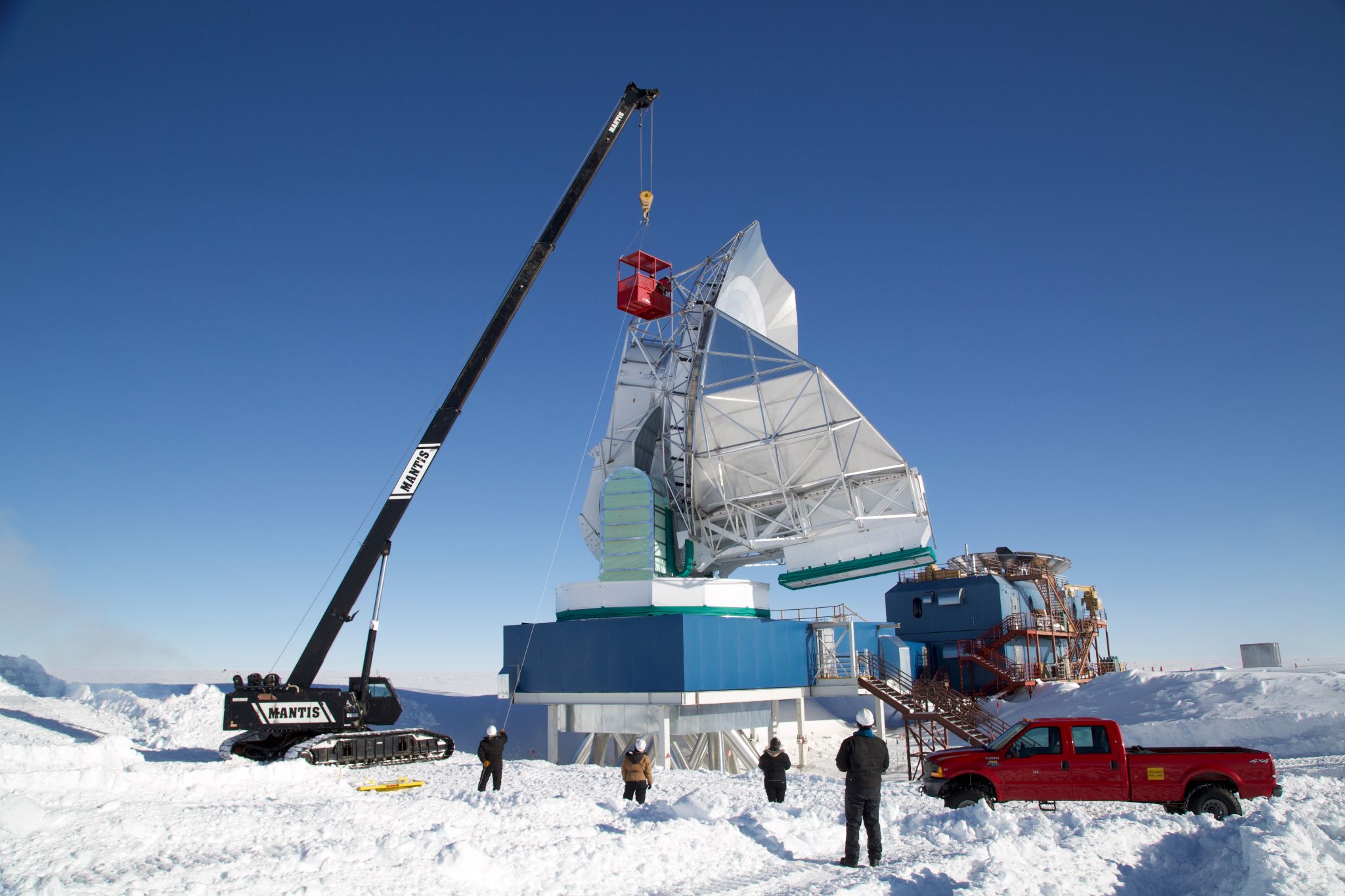
The South Pole Telescope
continuous night, for months
the coldest, driest air on Earth
- since 2007
- 16,000 pixels
- 10 m — 6× the size of space CMB telescopes
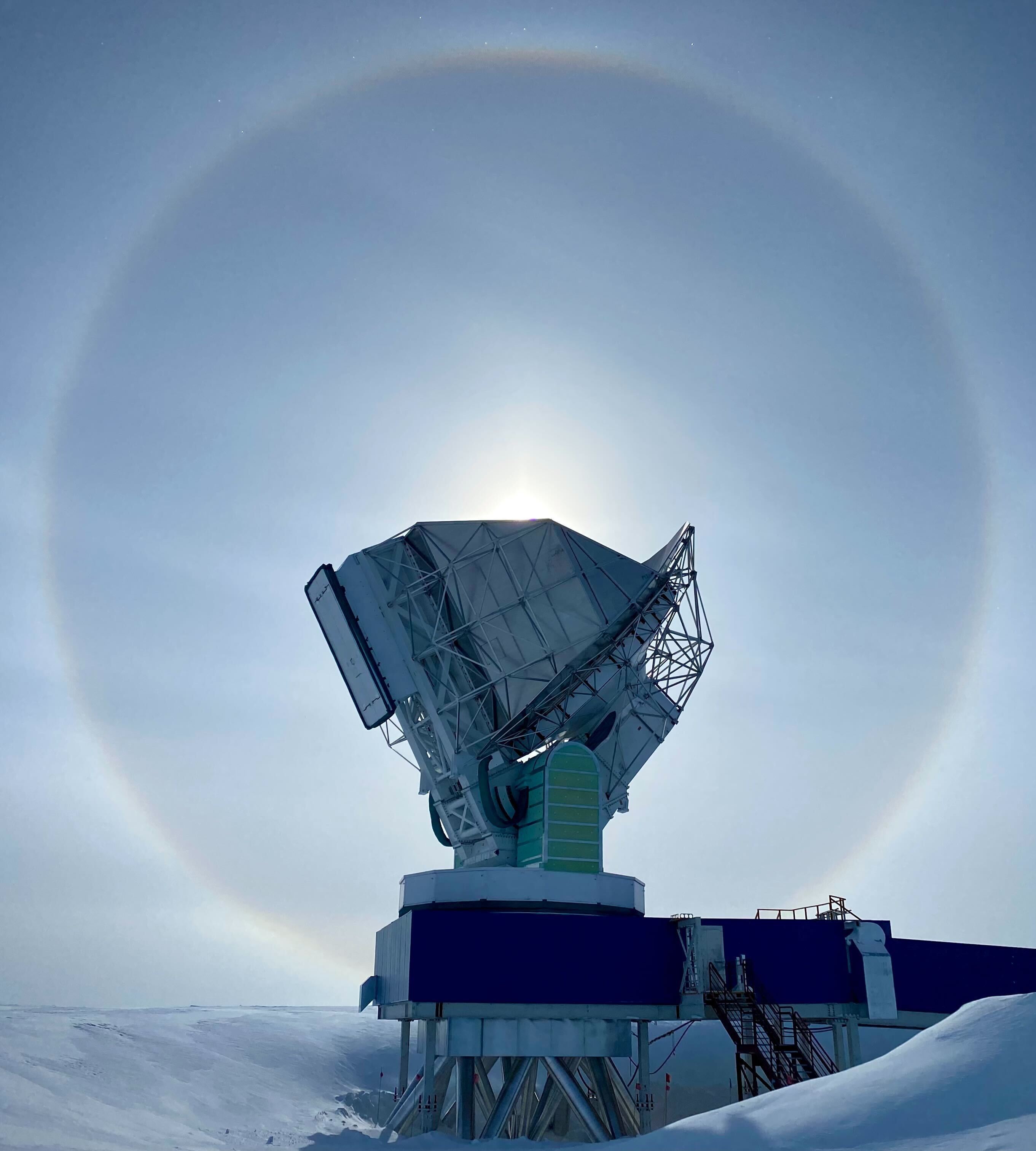
Photo: Aman Chokshi
It’s big!
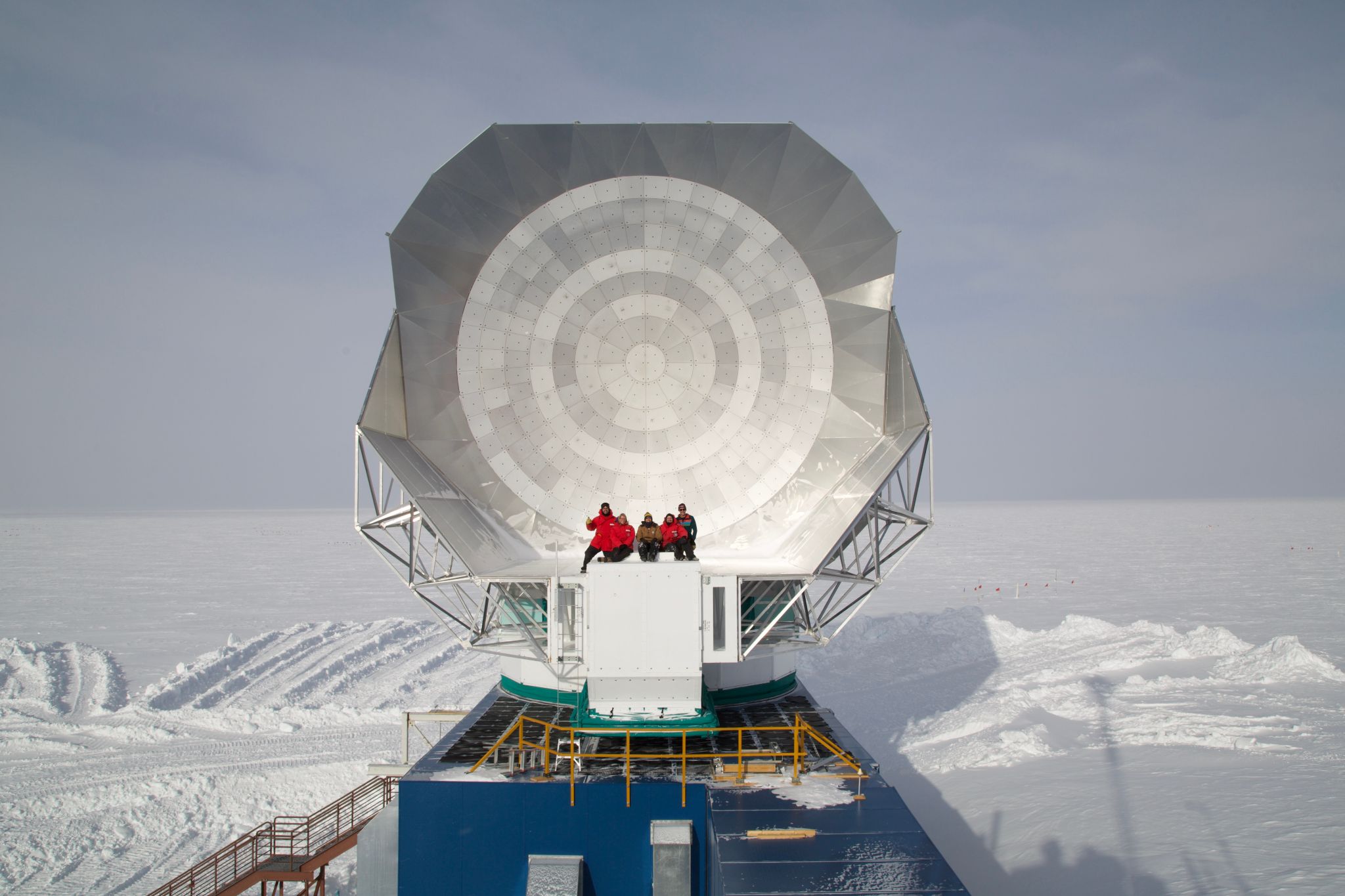
Photo: Alex Polak
The SPT-3G camera
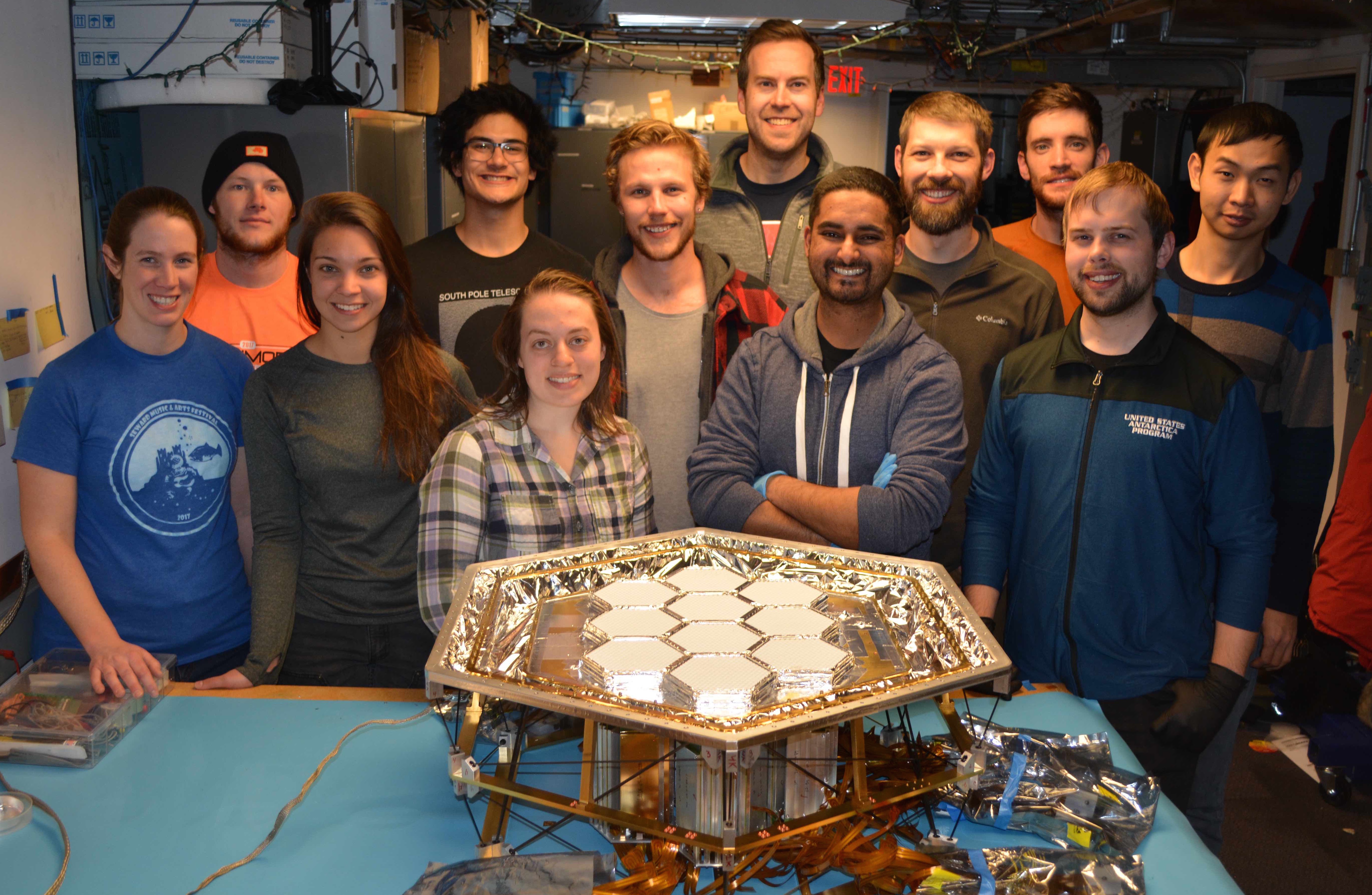
camera & commissioning team, 2017
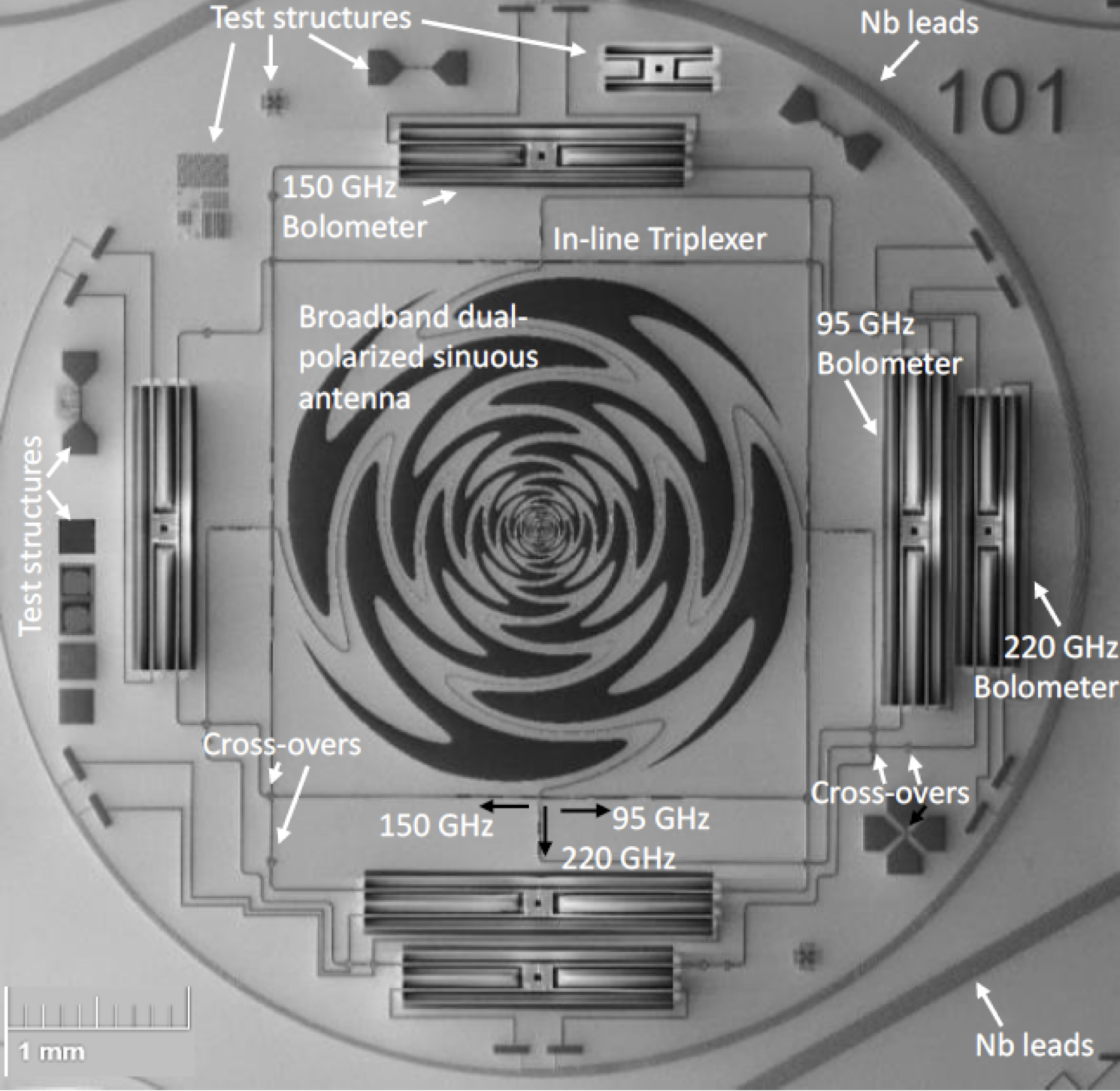
a SPT-3G pixel
Credit: Adam Anderson
Credit: Adam Anderson
SPT sees its forerunner
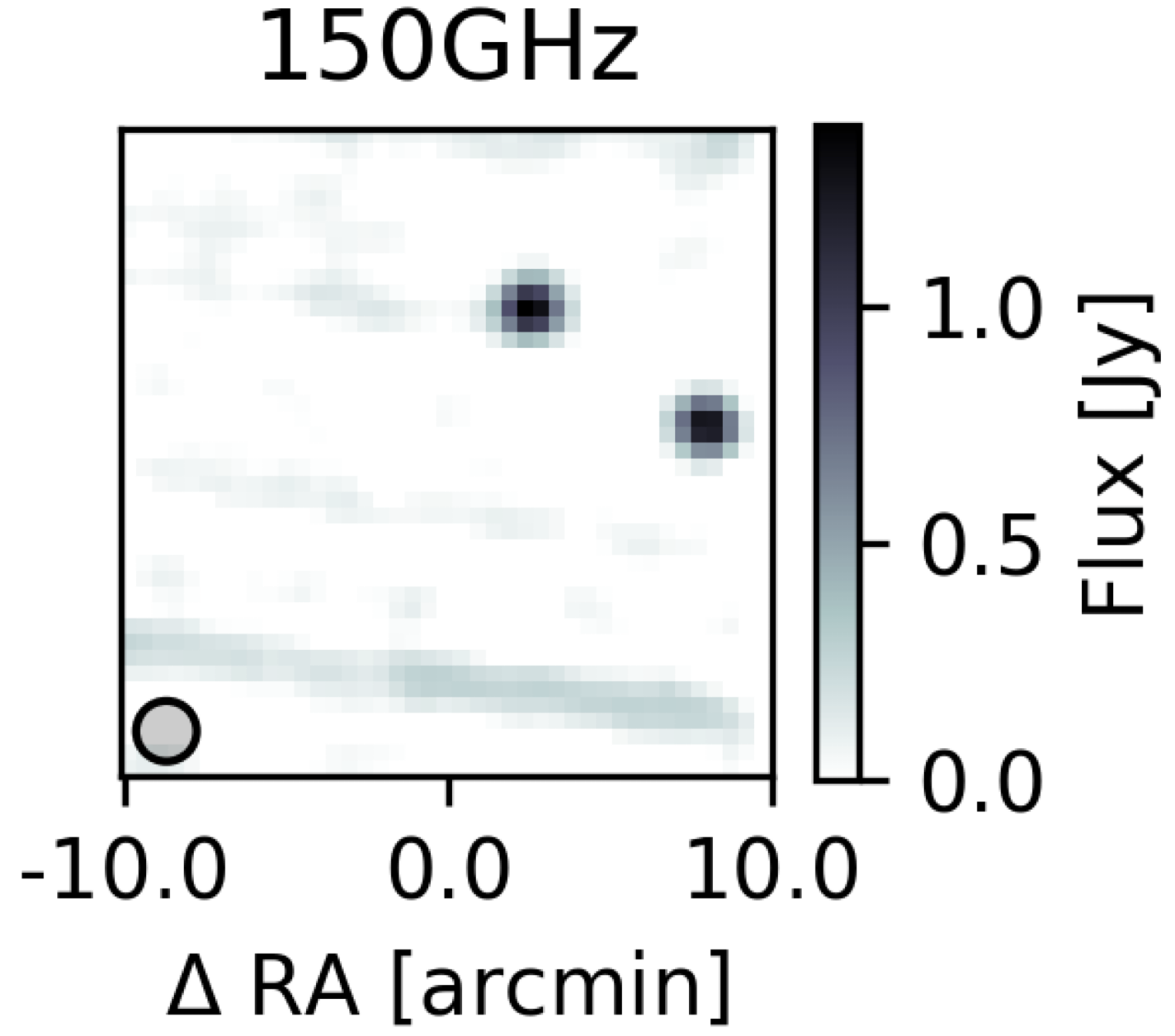
Starlink constellation
Credit: Allen Foster
Credit: Allen Foster
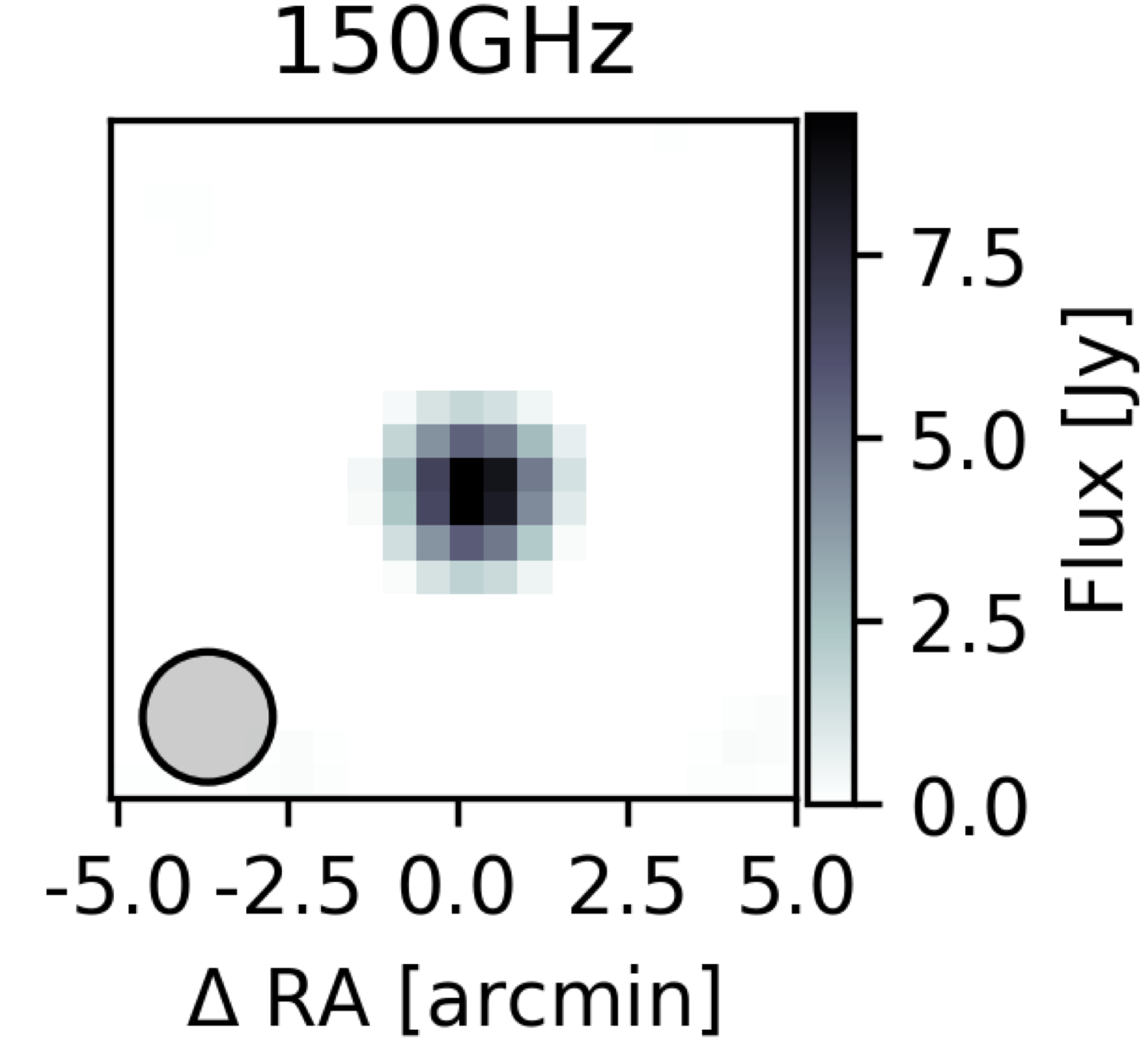
COBE (detection)
Credit: Allen Foster
Credit: Allen Foster
COBE (spacecraft)
Credit: NASA
Credit: NASA
We’ve come a long way from the first blurry COBE maps in 1992.
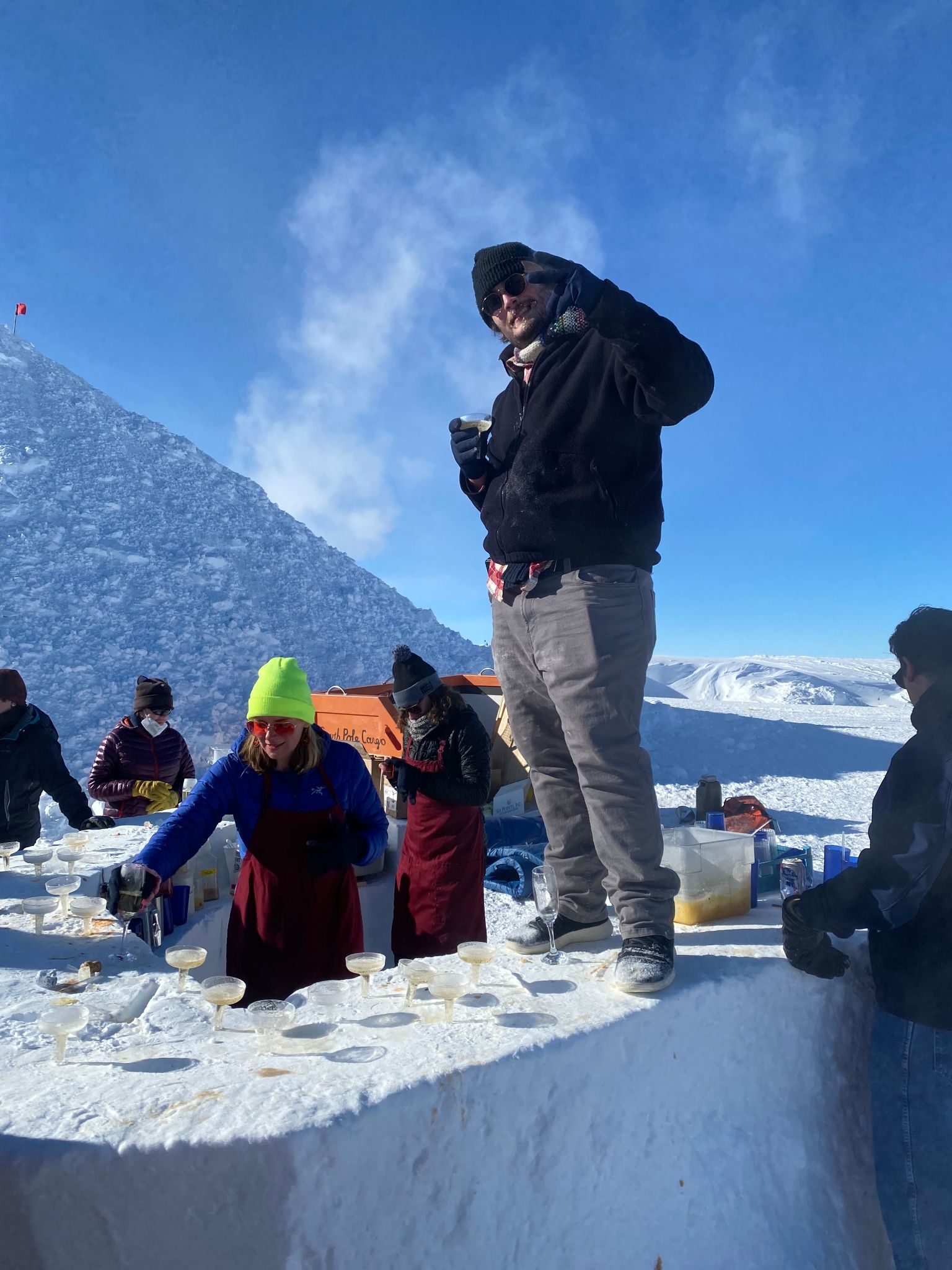
Shrines
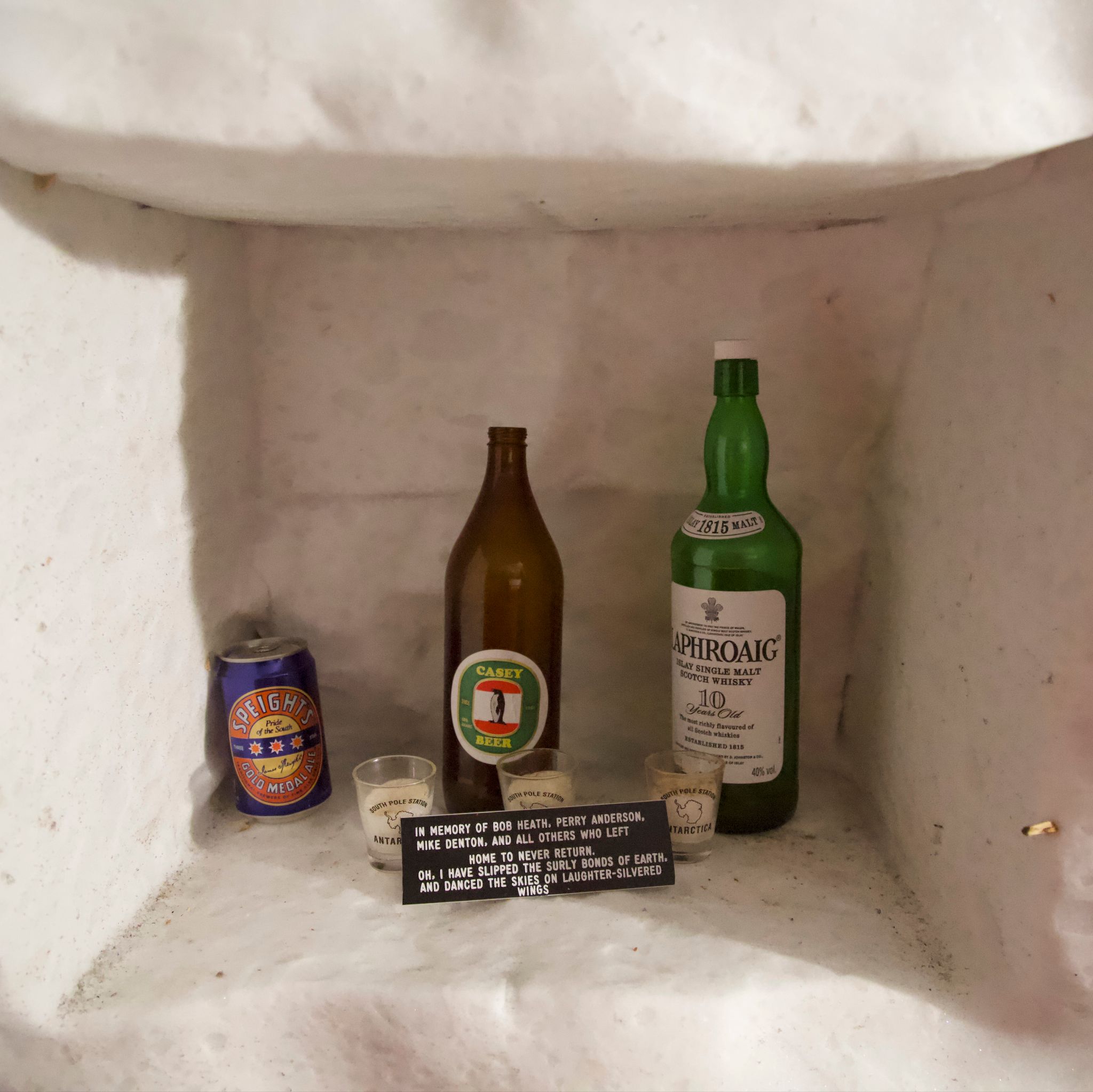
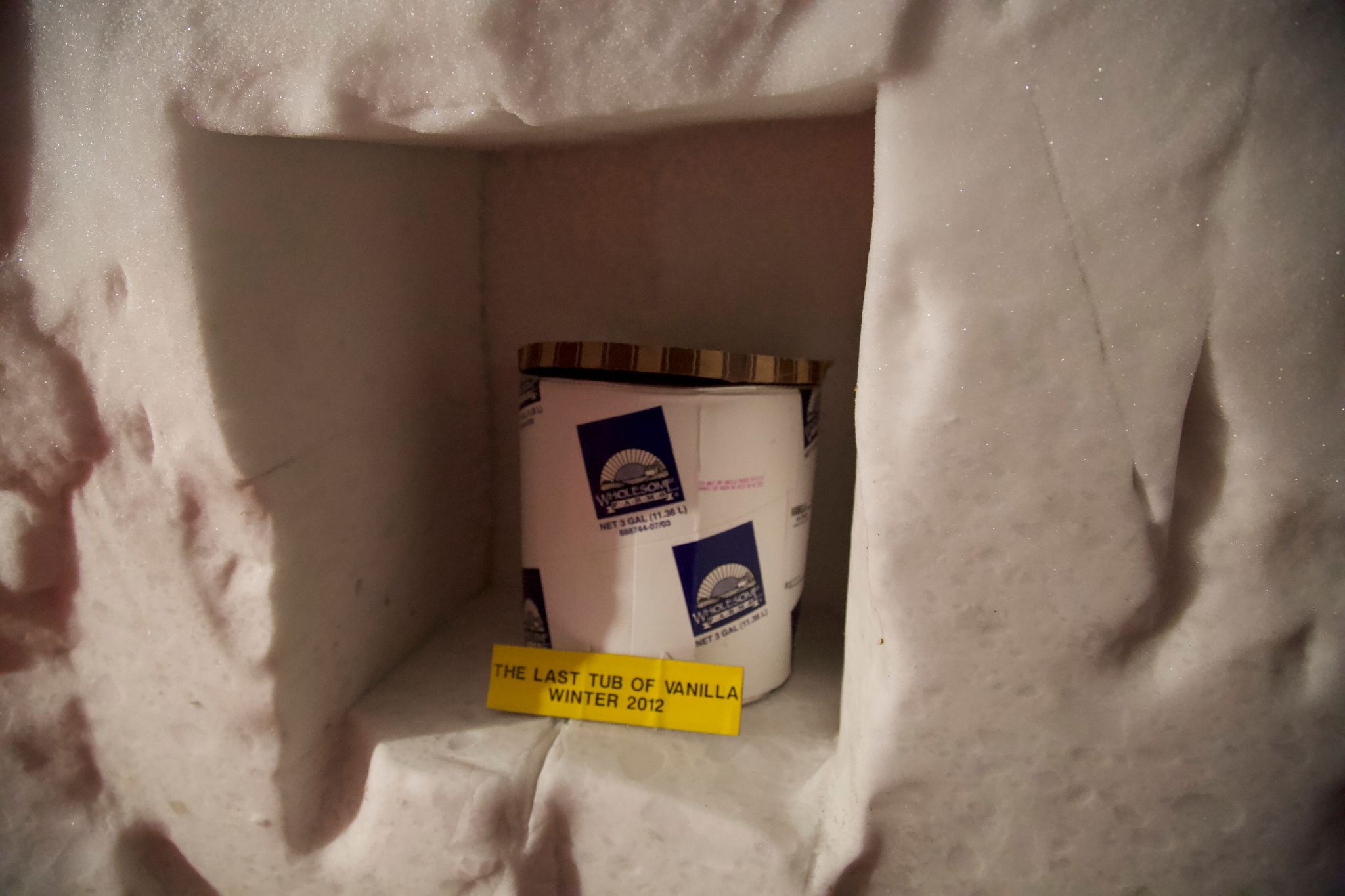
New Year’s
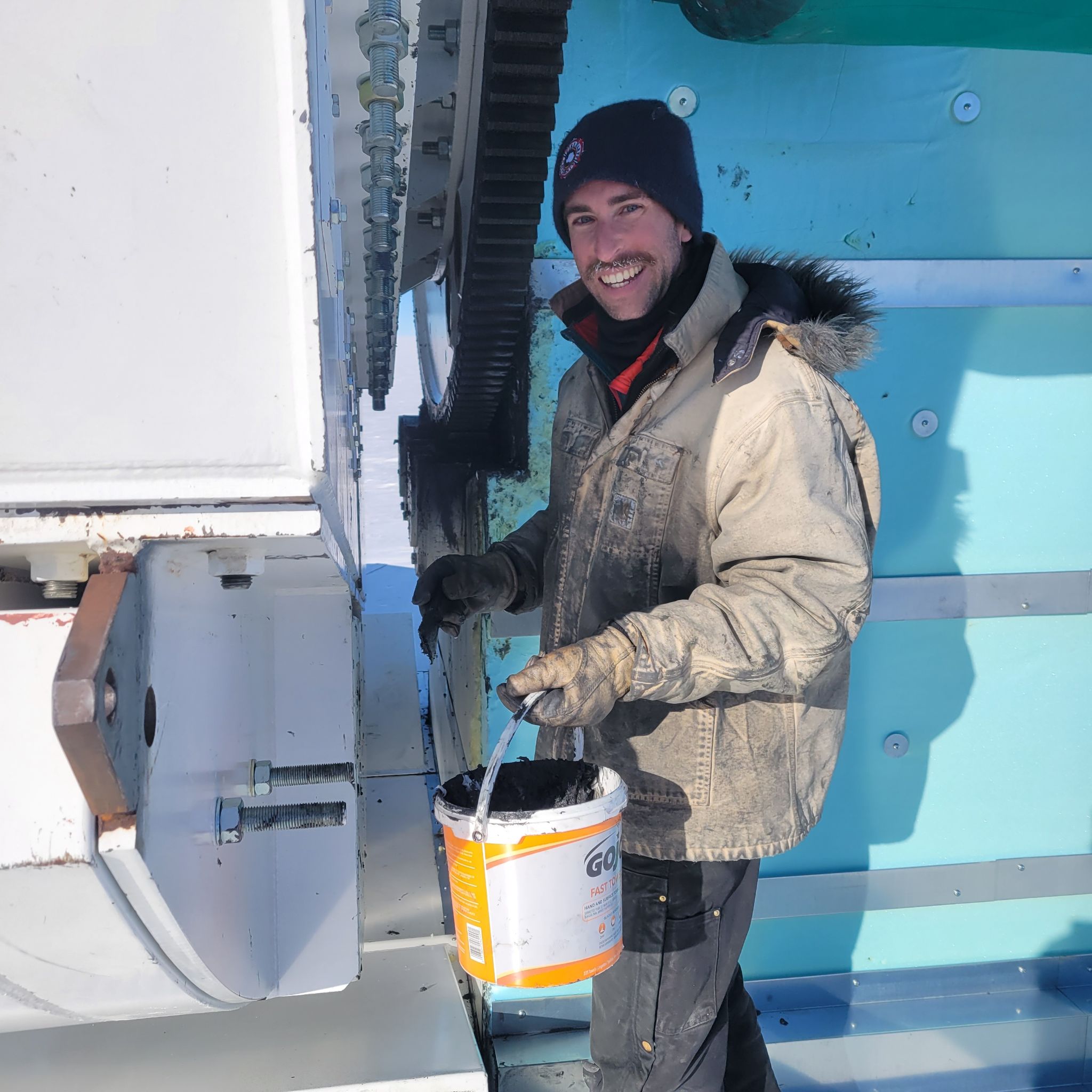
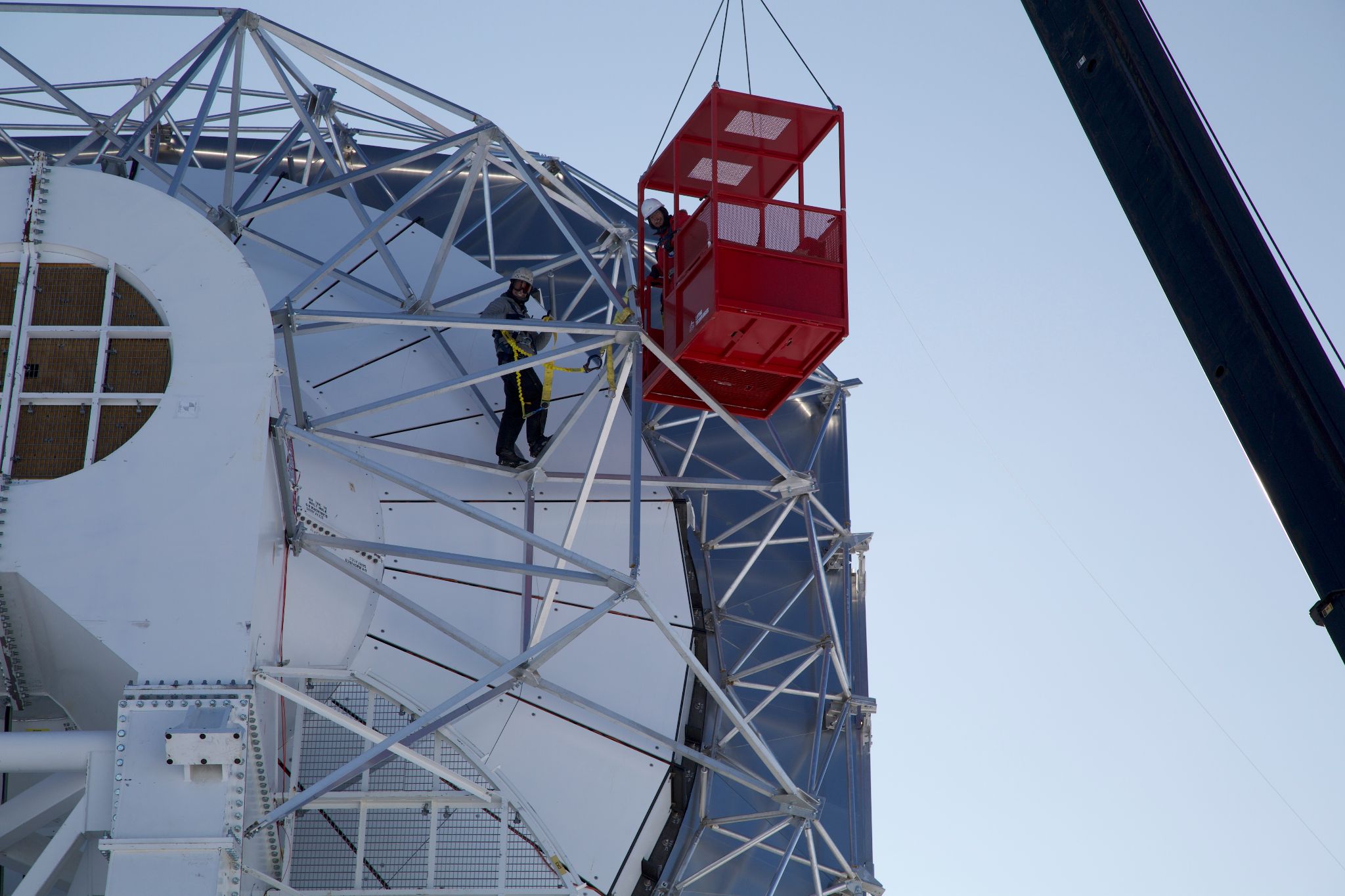
Telescope maintenance